

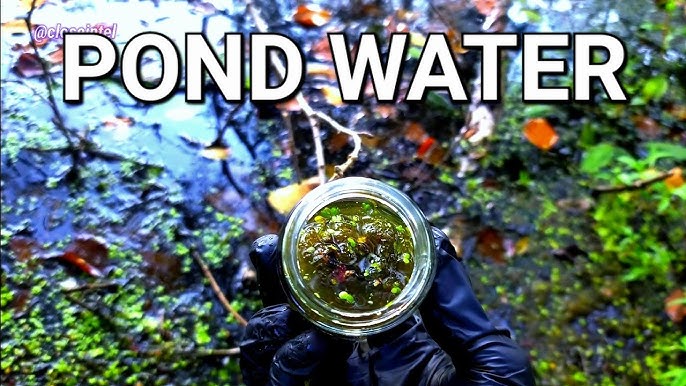
If you have ever looked into a pond, you may have wondered about the tiny creatures beneath its surface. This curiosity is very common. You are in good company. Ponds are bustling microhabitats filled with a myriad of organisms that are invisible to the naked eye. Pond water contains a wide variety of microscopic life. These range from single-celled protozoa to fascinating microscopic crustaceans. It offers a wealth of discoveries for anyone who takes a closer look. That is why the question "How can I get the best microscope samples from pond water?" is so tempting. Once you learn just a few gathering techniques, through your microscope you may disclose a whole world of magic. This paper explains why pond water is a valuable resource for microscopy. It discusses the reasons in detail. It also introduces practical ways to collect samples. These methods help you observe the most vivid and interesting specimens.
What is So Unique About Pond Water for Microscopic Samples?
Pond water is highly suitable for microscopy experiments. It contains a diverse range of algae, protozoans, and crustaceans. Some reasons might explain why microbial life thrives in ponds, including:
1. Leaves, fish waste, and other organic matter decompose in the pond. This decomposition releases nutrients into the water. The nutrients promote a variety of microbial life in the ecosystem.
2. Solar Radiation and Temperature: Ponds usually have sunny spots and shaded areas. Changes in light and temperature create an ideal habitat for different algae and microorganisms. For more information on how temperature affects pond ecosystems, refer to this detailed guide: USGS Temperature and Water page.
3. Areas with running water, plants, or aerators have high oxygen levels. Aerobic microbes thrive in these zones. In contrast, low-oxygen areas support the survival of anaerobic species.
4. Some parts of a pond have stagnant or almost immobile water. In these areas, sediment can slowly settle. Over time, this leads to accumulation at the bottom. This is the ideal setting for the growth of biofilms and microbial colonies.
Different conditions in various parts of the pond create distinct environments. As a result, microorganisms in close proximity can vary greatly. To get the best microscope samples, it is necessary to collect water from multiple locations.
Preparing to Collect Microscope Samples from Pond Water

Equipment required before you actually go out to collect the pond water for your microscopy sessions include the following:
1. Collection Utensils: Clean containers or jars of glass or strong plastic, a small net, pipettes, or even a turkey baster. You can wear gloves if you wish to keep your hands clean.
2. Labeling System: Carry masking tape or waterproof labels and a permanent marker. Write the date and time on the sample vial right away. Also include the weather and location of sampling. Doing this prevents confusion with other samples.
3. Clothing: Wear waterproof boots or shoes that are good to walk in. Edges may be slippery. Wear clothes you can get wet and muddy in.
Obtaining quality microscope samples of pond water is not just about scooping water. The preparation process is more elaborate. Each step is important to maintain the integrity of the sample. It also ensures the sample remains clear for observation.
How to Collect the Best Pond Water Samples
1. Selection of Multiple Sampling Sites
A pond is not a uniform entity in composition. To capture representative diversity of microorganisms, take samples from different sites in the pond. Include shallow edges, areas around the base of submerged aquatic plants, and deeper central regions.
2. Capturing Sediment and Debris
Many interesting microbes live on floating debris. Others can be found within decaying plant material. Some microbes inhabit the top layer of sediment. These different habitats support a wide variety of microscopic life. To collect a sample, first stir the sediment at the bottom with a stick or net. This helps mix the microorganisms into the water. Then carefully scoop some of this mixture into your container.
3.Take the Proper Equipment
A pipette or turkey baster allows you to collect precise layers of water without mixing. This technique is very useful for collecting samples. It works well when you notice patches of algae. Cloudy water, which indicates dying vegetation, is another good area to sample. You can also use it in other “hotspots” of microbial activity.
4.Reduce Contamination
Rinse your instruments in pond water before you collect a sample. Following this practice keeps you clean. It reduces the risk of carrying organisms between pond areas. This helps protect the pond’s ecosystem.
5.Label Immediately
As soon as you collect a sample, record the details. This allows you to relate your microscope observations to the exact location and conditions.
This way, you will learn how to collect the best microscope samples from pond water. You will also be assured that each sample truly represents the typical features of its location.
Observing Your Samples Under the Microscope

Once you’ve gathered your samples, it’s time for the most exciting part—looking at them under the microscope:
1. Slide Preparation
Use a pipette or eyedropper to place a drop of pond water on a clean microscope slide. If you’ve collected sediment, gently swirl the container to mix it before placing a drop on the slide. Cover with a cover slip to keep the sample contained.
2. Start with Low Magnification
First, begin observations at the lowest magnification in order to scan for larger organisms, debris, or clumps of algae. You can then increase the magnification. This allows you to see smaller organisms, such as bacteria or individual algal cells.
3.Adjust Lighting and Contrast
Pond water contains a lot of suspended particles. Adjust your microscope's condenser and diaphragm for optimal contrast. Sometimes, playing with the light setting can make some structures or organisms more distinct.
4.Document Your Findings
Observe what you find—color, form, movement patterns—and, if appropriate, take pictures or make videos. In this way, you will be able to note changes over time and show your finds to other enthusiasts.
Improving the Pond Ecosystem for the Best Sampling

A healthy pond ecosystem is a perfect breeding ground for all types of microbial life. If you have your own pond, here are some ways you can help your pond be healthy—and improve your microscope samples accordingly:
· Balance Sunlight and Shade
Introducing floating plants or partial shading can prevent excessive algae blooms while still allowing enough light for photosynthetic organisms.
· Aeration and Circulation
You can install a small fountain, waterfall, or air pump in the pond. These devices help maintain oxygen levels. Higher oxygen levels benefit aerobic microbes. This also helps keep the ecosystem balanced.
· Nutrient Management
Regularly testing for nitrate, phosphate, and pH levels can prevent harmful imbalances. Overfeeding fish or allowing excessive runoff can disrupt the pond’s equilibrium.
By nurturing a well-managed pond, you create an environment that is ever-changing but stable. This stability makes collecting the best microscope samples from pond water easier. It also makes the process more rewarding.
Tips for Beginners Exploring Pond Microbiology
1. Be Patient and Observant
Not every drop of water teems with easily visible life. Sometimes, you’ll need to search multiple slides before finding something extraordinary.
2. Invest in Basic Stains
Dyes like methylene blue will stain cellular structures and help to distinguish between different organisms. Use stains sparingly, however, if you wish to study live behavior.
3.Stay Organized
Keep a notebook or spreadsheet in which you record sample details, microscope settings and key observations. After some time, patterns in your data may emerge that will be suggestive of new sampling strategies.
4.Join a Community
You might want to consider joining local microscopy clubs or online forums. These communities allow you to learn from others, share discoveries, and identify unknown organisms.
Why POPOSOAP Products Are Essential for Healthy Ponds

Having a healthy pond ecosystem goes hand in hand with getting healthy microscopic samples. POPOSOAP offers a variety of environmentally friendly treatments to balance pond water chemistry, reduce injurious algae, and promote beneficial bacteria. These products work by stabilizing pH. They also break down organic waste. Together, these actions help sustain an aquatic environment in which microorganisms thrive. By prioritizing your pond’s overall health with POPOSOAP, you support a thriving aquatic environment. This makes it easier to collect samples. Each time you do, you will discover a rich variety of microbes.
Unveiling the Wonders of Pond Microbiology
Learning to collect a microscope sample of pond water properly is very rewarding. It opens up a fascinating world of hidden life. You get to explore organisms that are normally invisible to the naked eye. Whether you collect samples from one or multiple points in the pond, or refine your microscope work, each step is important. Both are necessary to understand the interactions between complex organisms. These interactions help support a healthy aquatic environment. Good sampling techniques, combined with thoughtful pond management, are essential. Using POPOSOAP products can also help. Together, they create water full of microscopic organisms just waiting to be discovered. Slip on your boots. Grab your jars. Get ready to start your journey into the amazing microbial universe. This hidden world exists just beneath the surface of your local pond.

12W 160GPH Solar Water Fountain Pump
$69.99
Enjoy clear, flowing water with this 12W solar water fountain pump. 160GPH output, eco-friendly design, perfect for outdoor ponds, bird baths, and gardens.
FAQs
Pond water contains a rich mix of algae, protozoa, bacteria, and microscopic crustaceans. Decomposing organic matter, varying oxygen levels, and sunlight exposure create diverse microhabitats that support abundant microbial life, making ponds excellent sources for microscopy samples.
The best results come from collecting samples from multiple locations, including shallow edges, areas around submerged plants, surface debris, and lightly disturbed bottom sediment. Different zones support different microorganisms.
Rinse all tools with pond water before sampling, avoid touching the inside of containers, and label samples immediately. Using clean pipettes or basters helps collect precise layers without mixing organisms from different zones.
A balanced pond ecosystem with proper oxygenation, nutrient control, and circulation supports a wider variety of microorganisms. Healthier ponds produce clearer, more diverse microscope samples with active and observable microbial life.


Leave a comment
All comments are moderated before being published.
This site is protected by hCaptcha and the hCaptcha Privacy Policy and Terms of Service apply.