

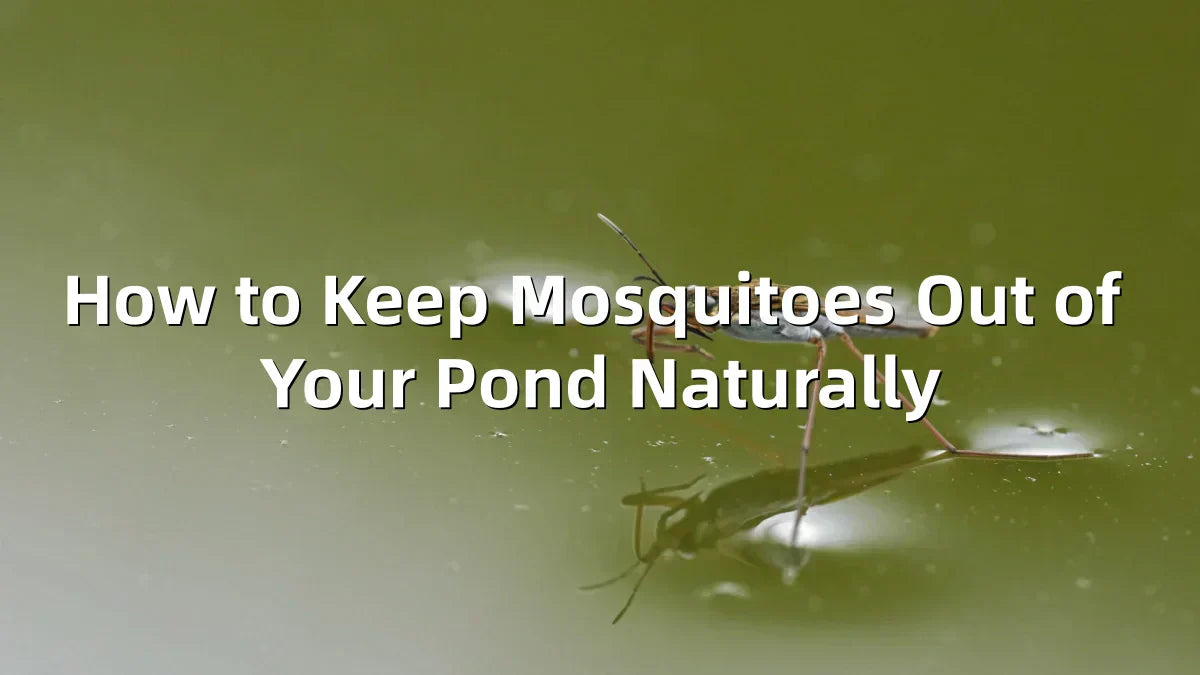
Few things ruin the joy of a garden pond faster than mosquitoes. Their constant buzzing and itchy bites make it hard to enjoy evenings outside, and their presence can even discourage wildlife from visiting your pond. While chemical sprays and pesticides are often marketed as quick fixes, they can harm the very ecosystem you’re trying to build. The good news? With some organization, you can enjoy a healthy mosquito control pond that feeds birds, fish, and plants—without toxic interventions.
Natural prevention works because it mimics the balance of nature in wild ponds. By causing movement, attracting natural predators, and maintaining water health, you can convert your pond into an eco mosquito pond where the pesky pests are managed by the ecosystem itself.
How Mosquitoes Breed in Water
In order to manage them, the initial step is knowing the behavior of mosquitoes.
-
Still Water: Eggs are laid by female mosquitoes in still water. A single female lays hundreds of eggs in a few days.

- Surface Breeding: Eggs hatch into larvae (also called "wigglers") that live on the water's surface, breathing through siphons. They are vulnerable to predation and disturbance.
- Short Life Cycle: In warm weather, it only takes less than two weeks for mosquitoes to grow from eggs to adults. That is why even small, temporary puddles are breeding grounds.
A circulation-free pond is a nursery for mosquitoes within hours. That is why circulation is so essential. Poposoap's solar pumps are designed to prevent stagnation, keeping water flowing and discouraging breeding without electricity.
Safe Natural Prevention Methods
Once you understand how mosquitoes exploit standing water, prevention is a piece of cake.
-
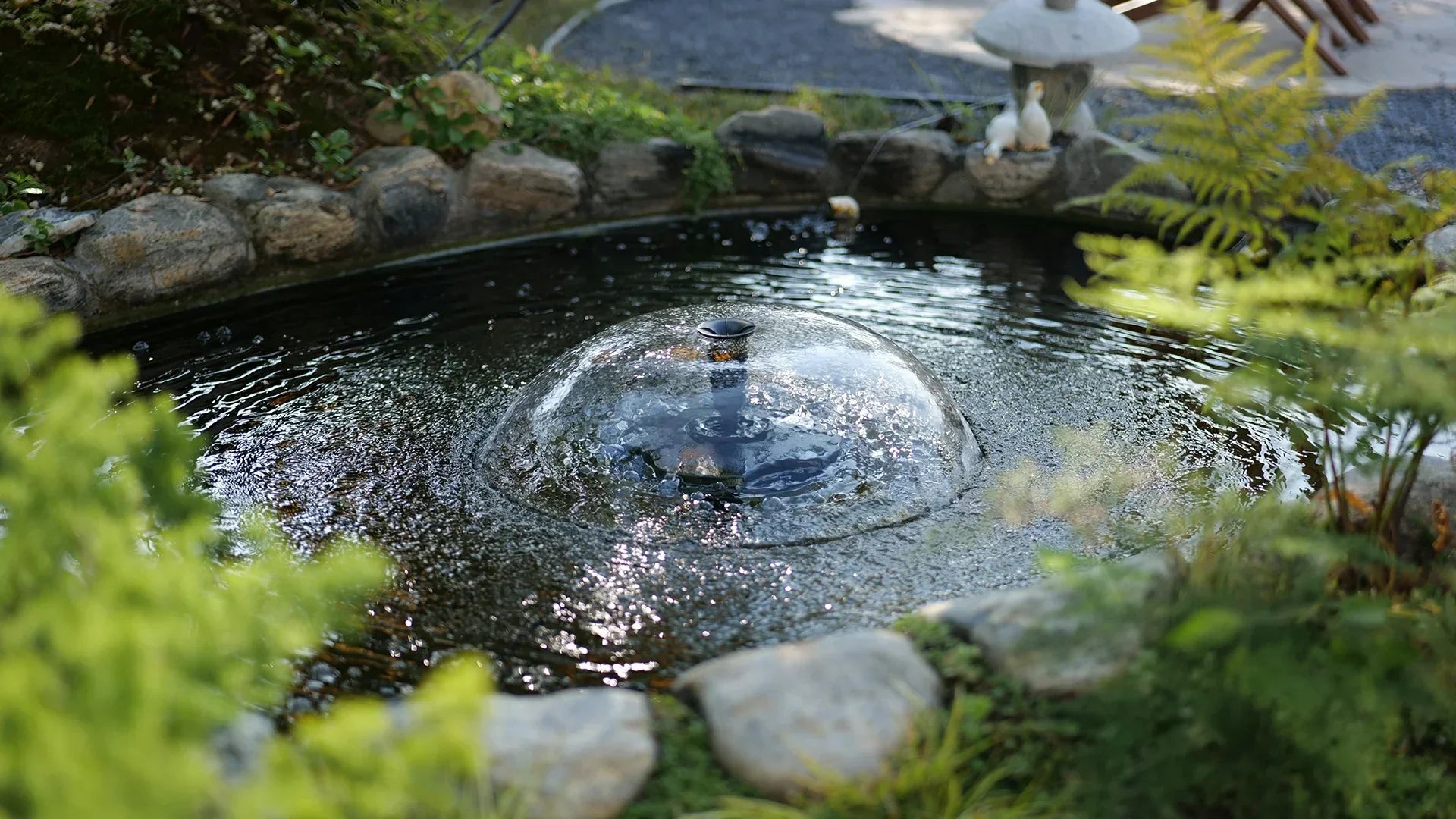
Water Movement: Current water disrupts egg laying and destroys larvae. A small solar-powered bubbler or fountain is adequate to drive mosquitoes away. Poposoap pumps have variable flow rates, making them suitable for ponds of any size.

-
Bird-Friendly Elements: Birds are natural mosquito eaters. A mosquito-repelling water garden with shallow shelves invites birds to drink and bathe and your fountain keeps it fresh.

-
Dragonfly Habitat: Dragonflies are commonly called "mosquito hawks." They lay eggs in ponds, and adults and nymphs alike eat enormous numbers of mosquitoes. Adding marginal vegetation like reeds and grasses provides them with the preferred habitat.

- Manual Maintenance: Remove floating plant material like leaves, which create stagnant patches of water. Regularly clean filters and pumps to attain the flow.
Poposoap's philosophy of green encourages precisely these methods: environmentally friendly solutions that minimize chemical dependency and support natural balance.
Most Effective Fish and Plants for Controlling Mosquitoes
Adding beneficial species to your pond will cut down on numbers of mosquitoes tremendously.
-
Fish:
-
Goldfish and Koi: General-purpose pond fish that help consume mosquito larvae as part of their diet.

- Gambusia (Mosquitofish): Feeds directly on larvae but are best utilized in large ponds.
- Minnows: Small fish that thrive in schools and consume wigglers near the surface.
-
Goldfish and Koi: General-purpose pond fish that help consume mosquito larvae as part of their diet.
-
Plants:
- Floating Plants: Water lily and frogbit cover the surface, reducing mosquito breeding areas.
- Submerged Plants: Hornwort and elodea oxygenate the water, providing food for fish and beneficial bacteria.
- Marginal Plants: Irises, sedges, and cattails create habitat for dragonflies, secondarily keeping mosquitoes in check.
Mixing pond plants with Poposoap's solar filter boxes will maintain balance within your system. Filters catch debris, and plants and fish handle the biological control—repopulating to create a defense mechanism.
What Not to Do
It's tempting to reach for pesticides or try do-it-yourself remedies, but most of these treatments cause more harm than help.
- Stay Away from Chemical Sprays: Insecticides will kill mosquito larvae but also kill fish, frogs, and other beneficial insects like dragonflies.
- Don't Put Oil or Soap in There: These create surface films that suffocate larvae but kill plants and wildlife.
- Don't Overstock: Too many fish will upset the balance and create too much waste, which is what algae blooms on.
- Stay Away from Excess Fertilizers: Lawn runoff feeds algae, which can create stagnant pools so ripe for mosquitoes.
The goal of an eco mosquito pond is balance. Over-engineering or chemicals cause that unbalance and often make problems worse in the long run.
User Tips
Real pond owners have found success with simple, routine routines:
- Weekly Water Checks: Make sure pumps are working and no part of the pond has stagnated.
- Seasonal Cleaning: In autumn, clean fallen leaves before they accumulate and create stagnant pockets.
- Solar Panel Maintenance: Keep solar panels on your solar pumps clean so they get the maximum sunlight. This keeps circulation at optimal levels.
- Plant Rotation: Add thin or seasonally add plants to prevent overcrowding. Balanced shading reduces breeding areas while maintaining oxygen.
- Community Sharing: Many users share their success stories on the internet—like turning a mosquito-ridden corner of the yard into a thriving wildlife pond after adding a Poposoap solar pump. These real-life testimonials show that prevention is not toxic chemicals.
Frequently Asked Questions (FAQ)
Do solar-powered pumps really prevent mosquito breeding in ponds?
Yes! Solar-powered pumps like Poposoap's models keep water circulating, disrupting mosquito egg-laying and destroying larvae. Even small bubblers or fountains create enough movement to deter breeding, and they work without electricity costs.
What are the best fish for controlling mosquitoes in small ponds?
Goldfish and minnows are ideal for small ponds—they eat mosquito larvae (wigglers) and thrive in limited space. Gambusia (mosquitofish) work better for larger ponds as they need more room to populate.
Can I use chemicals safely in an eco-friendly pond?
No—chemical sprays or pesticides harm fish, frogs, dragonflies, and other beneficial wildlife. They disrupt the natural balance of your pond ecosystem and can make mosquito problems worse long-term by killing predators.
How often should I maintain my solar pond pump for mosquito control?
Check pumps weekly to ensure they're working and no parts are clogged. Clean solar panels monthly to maximize sunlight absorption, and clean filters regularly to maintain optimal water flow.
Will adding plants to my pond help or hurt mosquito control?
The right plants help! Floating plants like water lilies cover the surface (reducing breeding areas), submerged plants oxygenate water, and marginal plants (reeds, cattails) create habitat for dragonflies—natural mosquito predators. Avoid overcrowding plants to prevent stagnant patches.
Final Thoughts
Mosquitoes are persistent but not invincible. By combining circulation, natural predators, and smart maintenance, you can have a pond that's hopping with frogs, birds, and dragonflies—not buzzing with pests.
Poposoap's eco-friendly filters, fountains, and pumps are the answer. Designed to recycle water, suppress stagnation, and promote natural balance, these items enable pond enthusiasts to create environmentally friendly systems that keep mosquitoes at bay without chemicals.
A mosquito-repellent water garden doesn't just add to your outdoor comfort—it promotes biodiversity, reduces reliance on pesticides, and connects your yard to nature's cycles. With the right approach, your pond is an oasis of life, where mosquitoes are kept under natural control and balance flows as freely as the water itself.

Leave a comment
All comments are moderated before being published.
This site is protected by hCaptcha and the hCaptcha Privacy Policy and Terms of Service apply.