

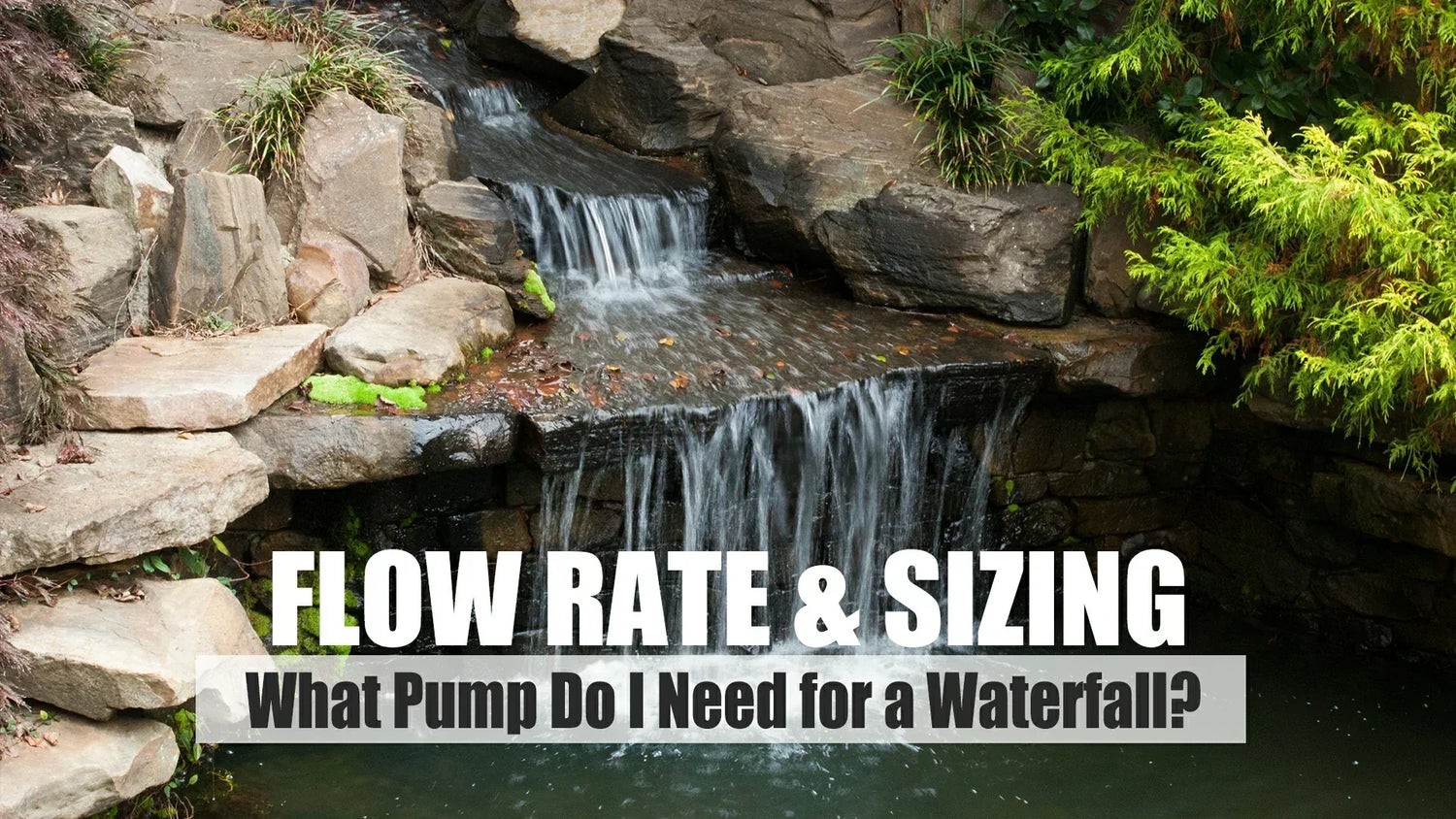
If you're planning a backyard waterfall—maybe a simple 8-inch sheet of water, or a wider 24-inch spillway—the first question you'll probably ask is:
“What size pond pump do I need for a waterfall?”
And honestly, it's a good question. I've met plenty of homeowners who built gorgeous rock structures only to realize that their waterfall looks more like a trickle than a flow. The pump is essentially the engine behind the entire feature, and choosing the wrong one can completely alter how the waterfall looks, sounds, and performs.
This guide explains how to size a waterfall pump correctly, based on field experience, simple flow-rate math, and principles of design found in Poposoap's energy-efficient waterfall and pond pump systems.
Whether you're trying to figure out what kind of pump you need for a waterfall or trying to decide if one of those submersible pumps for waterfall setups is best for your waterfall, this walkthrough will make the process much simpler.
Why Choosing the Right Waterfall Pump Matters

A waterfall isn't like a fountain or a simple filter loop. Here's why the pump matters more than most people expect:
- A spillway requires consistent, pressurized flow, rather than general circulation.
- The wider the spillway, the more water you need to avoid gaps in the sheet.
- Taller waterfalls require stronger pumps to push water uphill.
- Undersized pumps burn out faster because they're overworked.
- And oversized pumps waste energy and create unnatural, noisy flow.
The idea behind pairing wide spillways with pumps engineered for strong, steady pressure without unnecessary wattage has made Poposoap waterfall kits both effective and energy-friendly.
When you match the pump to the waterfall, everything works better: cleaner water, smoother flow, lower noise, and a longer pump lifespan.
How to Calculate the Right Pond Pump Size for a Waterfall
The good news? You don't need complicated formulas.
Here's the basic rule most installers use:
| Spillway width | Gentle Flow | Moderate Flow | Strong Flow |
|---|---|---|---|
| 8-inch | 800 GPH | 1200 GPH | 1600 GPH |
| 12-inch | 1200 GPH | 1800 GPH | 2400 GPH |
| 24-inch | 2400 GPH | 3600 GPH | 4800 GPH |
For every inch of waterfall width, you want ~100 GPH (minimum) for a smooth sheet of water.
- 8-inch spillway → 800 GPH
- 12-inch spillway → 1200 GPH
- 24-inch spillway → 2400 GPH

But there is one more factor: Height.
The higher your waterfall sits above the pond, the more pressure is needed to lift water upward. Even with a 2- to 3-foot elevation, flow can be reduced if the pump isn’t strong enough.
That's why the real-world question is not just "what size pond pump do I need for a waterfall," but how high, how wide, and how far the water needs to travel.
That's also why submersible pumps for waterfall installations are so common: it efficiently combines flow + head pressure without the complexity of an external pump system.
Types of Pumps for Waterfalls
Not all pumps are meant to run a waterfall. Here are some of the main categories:
Waterfall Pumps
Purpose-built for higher pressure and continuous flow. These are ideal for spillways and rock waterfalls.
Fountain pumps
These push water vertically for spray patterns. Beautiful in ponds but not suited for feeding waterfall spillway.
Solar Waterfall Pumps
Ideal for small and medium waterfalls where wiring is inconvenient. Poposoap's solar waterfall systems employ efficient DC motors matched with solar panels that power waterfalls without increasing electricity bills, in line with the brand's sustainability philosophy.
When selecting among varied kinds of pumps, always pay attention to GPH + head height, not just the label on the pump.
Choosing Between Pump Types — Key Considerations
Anytime anyone asks me what kind of pump they should use for a waterfall, we always walk through a few practical points together:
1. Waterfall Width
A wider spillway would just require more water to form a full, even sheet. The pump must deliver a sufficient article for the flow to remain consistent from edge to edge.
2. Elevation (Head Height)
Anytime the water has to travel upward, it requires the pump to work harder. The higher the waterfall sits above the pond, the more strength you'll need from the pump.
3. Length of Plumbing
The longer the tubing—and the more twists and turns it has—the more friction you introduce. Friction slows water down, so keeping the plumbing route clean and simple helps maintain strong flow.
4. Noise Preference
Some people are looking for a soft, tranquil trickle, while others prefer the bold sound of rushing water. Lower flow produces a gentler tone, while higher flow creates a more pronounced waterfall sound.
5. Energy Efficiency
Many modern pumps are built around low-watt but high-efficiency DC motors, especially those that Poposoap uses, to make sure they can provide more stable performance with less power consumption.

6. DIY vs. Professional Setup
Submersible pumps make the building process easier. External pumps do tend to require more planning and plumbing skill.
How to Maintain Your Waterfall Pump for Optimal Performance
Even the best pump needs simple care:
- Clean the intake regularly to avoid blockage.
- Clean filter media on the pump or in the filter box.
- Check the tubing for kinks or any buildups of debris.
- Take out the pump during freezing winters if your pond freezes.
- Keep the waterline stable to prevent dry running.
Poposoap waterfall systems focus on design priorities like filtration and pump protection to extend the life of motors and maintain smooth flow over longer periods.
A well-cared-for pump not only will last longer but will also keep your waterfall sounding and looking like you first envisioned it.
Conclusion - The Right Pump Makes the Perfect Waterfall
After all is said and done, the beauty of a waterfall comes down to water movement—and it all starts by picking the right pump. Once you match your spillway width, elevation, and plumbing layout with the right GPH and pump type, everything falls into place. The flow is smooth, the sound is natural, and the system runs efficiently without wasting energy. This balance is reflected in Poposoap's approach to the design of pumps and waterfalls, combining strong performance with sustainable, low-watt, and solar-friendly technology inspired by their eco-focused brand story. Choose the pump carefully, and your waterfall will reward you every single day.

80W 1200GPH Electric Waterfall Pump Kit with 12"x13.4"x13.4" Spillway
$369.99
12"L×13.4"W×13.4"H stainless steel waterfall box & a robust 1200GPH pump, up to 4,500 Gallons for Garden Outdoor Pond.
FAQs — Waterfall Pump Sizing & Setup
About 100 GPH per inch of spillway width, plus additional power if the waterfall is raised.
A waterfall pump with enough GPH and head height rating to support the feature.
No. Fountain pumps are designed to spray vertically and not to feed a spillway.
Yes. For small to medium features, the submersible pump for waterfall setups is the most common choice.
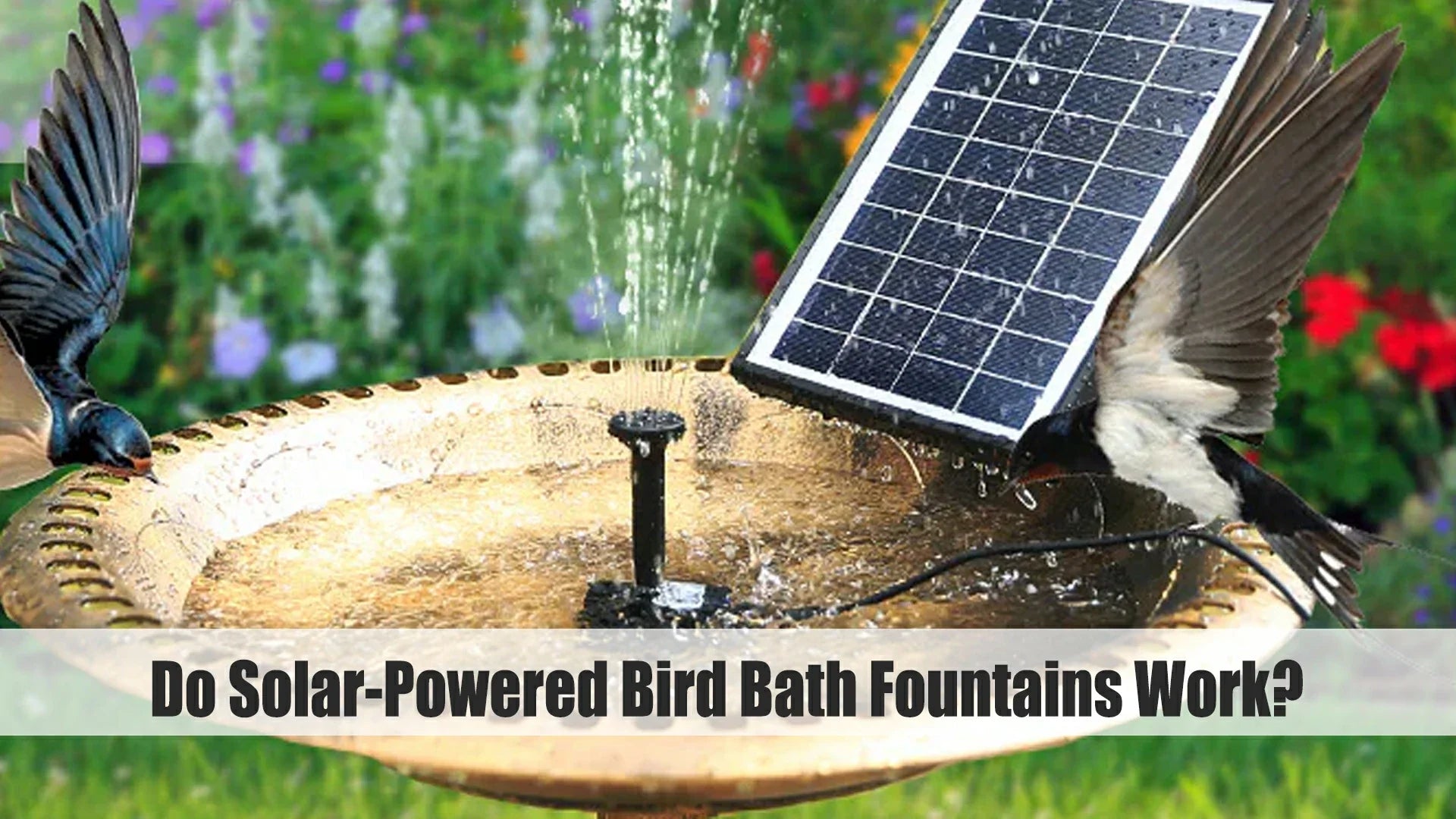
Yes, for smaller waterfalls. Poposoap's solar waterfall pumps are designed for this and eliminate electricity cost altogether.

Leave a comment
All comments are moderated before being published.
This site is protected by hCaptcha and the hCaptcha Privacy Policy and Terms of Service apply.