


Maintenance of your pond's clarity should not be something that you resent doing. If you are experiencing struggles to keep your pond clear of algae or if your rocks look like they are covered in fluff, it is time to rely on nature to help clean up your pond. Pond algae-eating fish are an ideal way to introduce nature's already established filtering system into your pond to tackle what your filters are missing.
Understanding the Algae and Its Role in Your Pond
Algae serves as the foundation of your pond's ecosystem, but its benefits can quickly turn into risks if the balance shifts. When algae grow too thick, it can block sunlight from reaching deeper plants. More dangerously, at night, algae switches from producing oxygen to consuming it, which is why you need an algae-eating fish for your pond. The good aspect of algae is that it's a powerhouse of oxygen production during the day through photosynthesis.
7 Best Algae-Eating Fish for Your Pond
1. Siamese Algae Eater

Majorly considered the golden standard for smaller garden ponds, these fish are known for eating the algae others won't like to touch.
Best for: Small to medium ponds
Note: They are a social species, it's best to keep them in a group of 3--5.
2. Grass Carp

If you have a large pond or a farm pond, the Grass Carp is a powerhouse. They can consume nearly their body weight in vegetation every day. They are best for large ponds. Note to look for Triploid Grass Carp; they are sterilized and made compulsory by law to ensure they don't become an invasive species.
3. Common Pleco

They are famous for being the vacuum cleaner of the fish world, Plecos use their sucker mouths to scrub algae off rocks, liners, and waterfall surfaces. And are best for medium to large ponds in warm climates.
Note: They are usually tropical, if your water drops below 13°C (55°F), they will need to be moved to an indoor tank for the winter.
4. Dojo Loach

These eel-like fish are incredibly active. They scavenge the bottom for string algae, decaying organic matter, and even mosquito larvae.
Best for: Cold-water ponds, they are very resilient in the winter.
5. Chinese High-Fin Banded Shark

Despite the name, they are peaceful suckers and not true sharks. They have a bold appearance when young and spend their days grazing on the biofilm and algae covering the pond floor.
Best for: Deep, cool-water ponds.
6. Koi and Goldfish

They constantly graze over rocks and plants, nibbling away at filamentous algae.
Best for: Almost any backyard pond.
Note: They are most effective when not overfed with pellets, if they're hungry, they'll do more cleaning.
7. Mozambique Tilapia

Tilapia are voracious consumers of planktonic algae and floating mats of string algae. They are often used as a quick, natural fix for major summer blooms.
They are sensitive to cold and will not survive a freeze.
Best for: Controlling rapid algae growth in summer.
Non Fish Algae Eaters
1. Japanese Trapdoor Snail
These are far superior to common garden or pond snails. They spend their entire lives grazing on string algae and decaying organic matter from the pond floor and walls. They are resilient in cold and can survive in ponds that freeze over.
2. Amano Shrimp
If you have a smaller garden pond, these are legendary for their work ethic. They are specifically known for eating hair algae, which many fish find unpalatable. They are small and can be eaten by larger fish.
3. Tadpoles
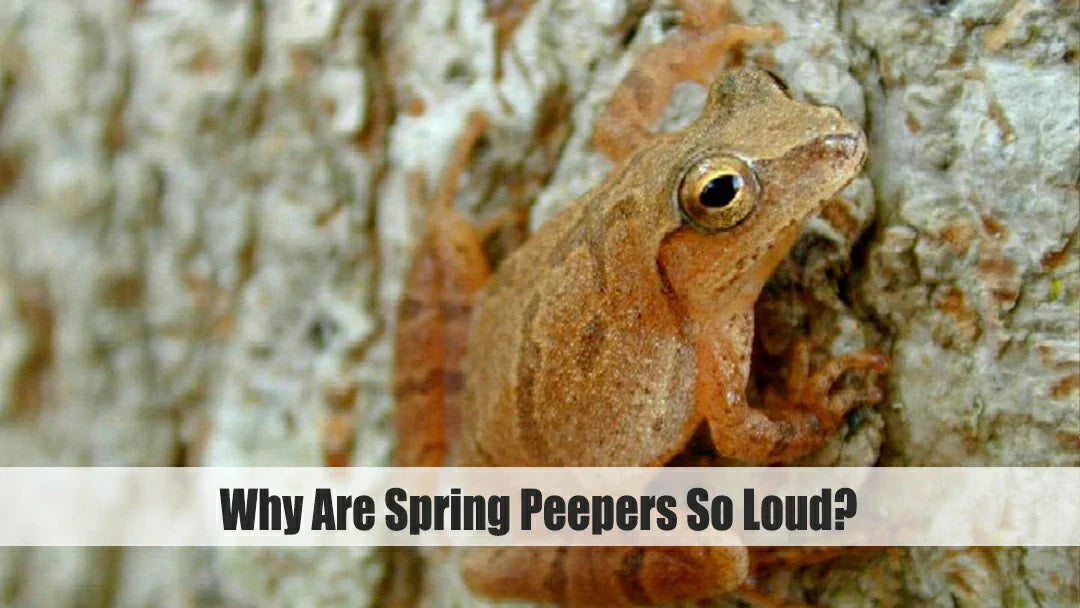
If you have a natural pond, welcoming frogs can provide a seasonal algae strike team. In their early stages, tadpoles are almost exclusively herbivorous and act like tiny vacuum cleaners.
Benefit: They eat the soft algae films and diatoms that cover rocks and logs.
How to Maintain a Healthy Pond Ecosystem
Maintaining a pond is about managing two main things: Nutrients and Oxygen. If you have too many nutrients and too little oxygen, you get a green mess. If you balance them, you get a crystal-clear haven.
Plants are your pond's best friends. They compete with algae for the same nutrients. Target 40%-60% of your pond's surface covered by plants during the peak of summer. Use a variety of plants, floating plants, provide shade to keep water cool, while oxygenators, pump oxygen directly into the water.
Algae grows when there is extra food in the water. You can limit this by feeding your fish what they can eat in 3 minutes. Uneaten food sinks to the bottom and turns into algae fuel.
Stagnant water is an invitation for algae and mosquitoes. Use a waterfall, fountain, or an air stone to oxygenate. Moving water increases the surface area exposed to the air, allowing more oxygen to dissolve in.
Our brand, Poposoap provide various waterfall kits and fountains series to aerate your ponds.
Conclusion
Building a beautiful pond is a journey of partnership with nature. While pumps, filters, and treatments all play their part, nothing quite compares to the efficiency and grace of a biological cleanup crew. By choosing the right mix of grazers, you aren't just cleaning the water, you're creating a self-sustaining ecosystem where every inhabitant has a purpose.
Want to create a clean, self-sustaining pond? Discover our Solar Pond Filtration and Aeration Systems.
The brand's solar pond filter series provides for you a filtration system for your pond with little to no problems. Zero operational costs and affordable prices. Take advantage of free energy of the sun. Our system operates entirely on solar power, eliminating recurring electricity bills and the need for complex, expensive electrical wiring installations.
REAE MORE: How to Treat and Control Pond Algae

P3203 20W 280GPH Solar Pond Filter Fountain
$119.99
Clean and oxygenate your pond with this 20W solar pond filter pump. Eco-friendly 280GPH flow ideal for small to medium backyard water features.
Frequently Asked Questions
Mostly no, but it depends. Most specialized algae eaters Plecos prefer the taste of algae and biofilm over tough pond plants. However, large Grass Carp and hungry Koi are known to nibble on soft-leaved plants.
Tip: Keeping your fish well-fed with a balanced diet reduces the chances of them eating your greenery.
Yes. Algae eaters are cleaners, not disposal units. You need a mechanical and biological filtration system to remove waste and keep the nitrogen cycle balanced.
This varies by species, but a general rule for smaller cleaners (like small fish) is:
Small Algae-Eating Fish: 1 per 50--100 gallons.
Large Fish: Usually only 1 or 2 per pond, unless it is a very large farm pond.
It depends on the species. Koi, Goldfish can survive under ice as long as the pond doesn't freeze solid and there is an air hole. Common Plecos will not survive temperatures below 13 degrees. They must be brought indoors for the winter.
No. "Green water" is caused by microscopic planktonic algae. Most fish prefer filamentous algae. To fix green water, it's best to add more floating plants to block the sun.
Our Poposoap waterfall kit and fountain series also aerate your ponds, allows more oxygen, helps you prevent excess algae and insects that would damage your plants and requires little to no use of manpower. Your pond stays healthy while you sit back and relax.


Leave a comment
All comments are moderated before being published.
This site is protected by hCaptcha and the hCaptcha Privacy Policy and Terms of Service apply.