


The water quality of a fish pond directly affects the health and survival of the fish. A well-functioning pond filtration system removes harmful substances and helps maintain proper pH levels and temperature. It also ensures sufficient dissolved oxygen, which is crucial for fish health. Additionally, it plays a key role in preventing fish diseases. By using a comprehensive filtration system and feeding appropriately, you can maintain stable water quality, promoting healthy fish growth.
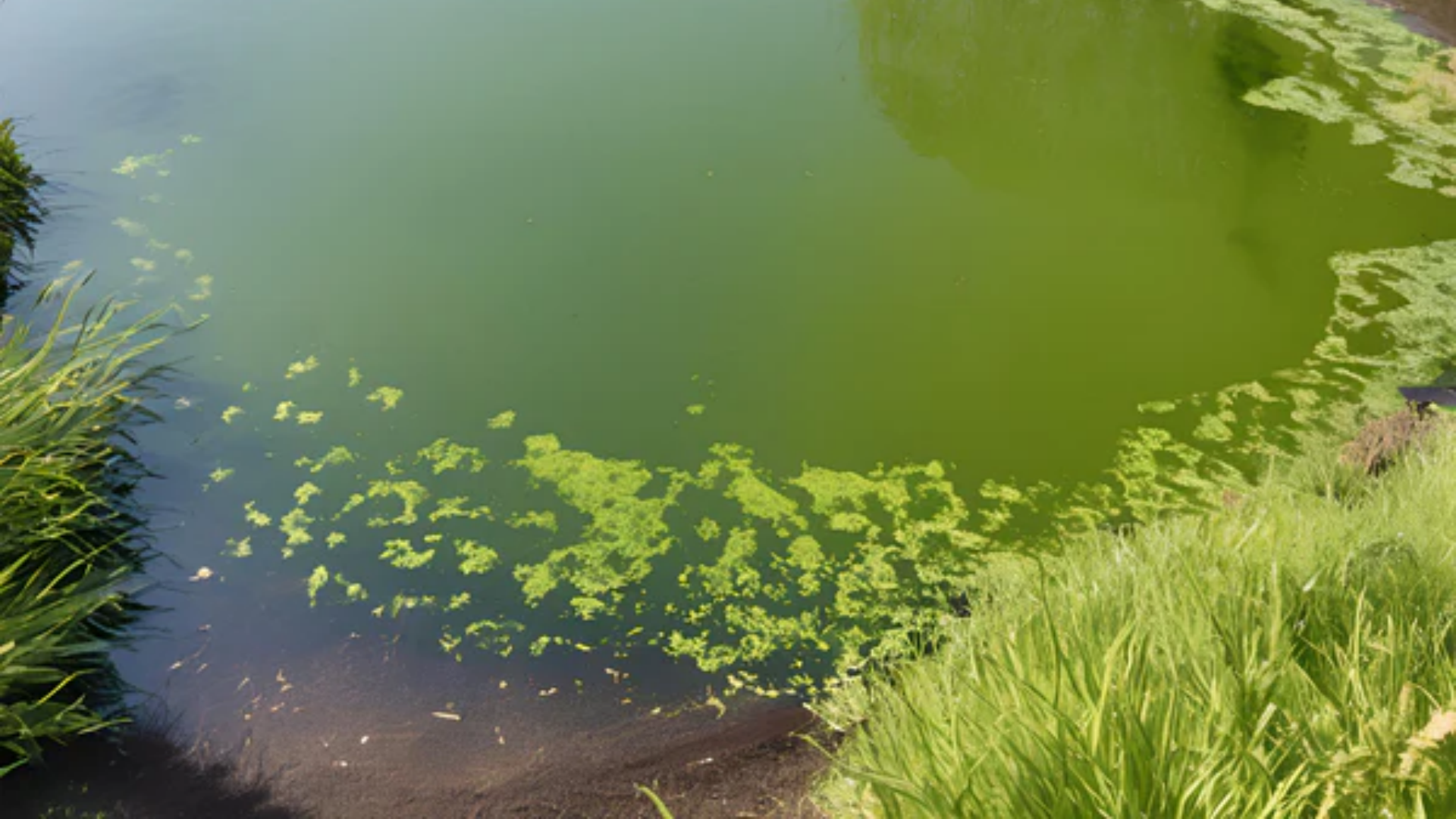
Many novice fishkeepers have experienced cloudy, green, or even foul-smelling water in their ponds. Identifying the root cause and addressing it effectively can help you eliminate murky water. With the right approach, crystal-clear ponds are no longer just a dream!
To achieve clear pond water, you can take the following measures:
Establish a Good Pond Filtration System:

"Healthy fish start with healthy water, and water quality relies on filtration." Planning the filtration system should be integrated into the pond construction process. This includes embedding pipelines and arranging the system layout for optimal functionality. This step is critical.
- Combine physical and biochemical filtration to remove visible impurities such as fish waste, leftover food, and debris. Nitrifying bacteria break down harmful substances, while UV sterilizers eliminate bacteria and algae, maintaining microbial balance.
- A water circulation and filtration system is key to keeping koi pond water clear. In addition to purifying the water, it provides enough oxygen for the fish. With an efficient filtration system, the pond can remain crystal clear, creating a healthy growth environment for the fish.
Reduce Stocking Density:
Overcrowding lowers oxygen levels and disrupts biological filtration. Avoid keeping too many fish, which can produce excessive waste, affecting water quality.
Regular Pond Cleaning:
Clean the pond bottom of debris, such as leaves and sediment, and wash the filters regularly. If you're using an automated pond filter, this step can be skipped.
Reduce Light Exposure:
Limit sunlight to prevent excessive algae growth.
Use Algaecide:
If necessary, use algaecides to control algae growth.
Introduce Aquatic Plants:
Aquatic plants absorb nutrients from the water, reducing algae growth.
Add Nitrifying Bacteria:
Nitrifying bacteria help break down harmful substances and improve water quality.
Control Feeding Amounts:
Avoid overfeeding, as uneaten food can degrade water quality.
Clean the Filtration System Regularly:
Based on the pond's conditions, clean the filter media regularly to maintain water quality.
Use UV Sterilization Lamps:

UV lamps effectively control the overgrowth of microorganisms in the water.
Use Salinity Control:
Adding salt can help control algae growth.
Conclusion

By combining these methods, you can effectively maintain clear water in your fish pond. This will create a healthy living environment for the fish.
Understanding is essential for creating and maintaining a low-maintenance filtration pond system. This ensures the pond stays clear and clean throughout the year.
(READ MORE: The Transformation of the Fish Pond in a Small Urban Farm)

P2300 40W 660GPH AC Pond Filter Fountain
$89.99
Keep your pond water clean and healthy with the P2300 AC pond filter fountain. A complete pond pump and filter system for effective, long-lasting pond filtration.
FAQs
Cloudy water is often caused by excess organic waste, algae growth, or an unbalanced filtration system. Even after cleaning, improving biological filtration and water circulation is essential for long-term clarity.
A proper filtration system removes harmful substances, stabilizes water quality, and increases dissolved oxygen. This helps prevent disease and creates a healthy environment for fish.
Most pond filters should be cleaned every 2–4 weeks, depending on fish load and debris levels. Avoid overcleaning biological media to preserve beneficial bacteria.
Yes. UV sterilization lamps help control algae and microorganisms that cause green or murky water. They work best when combined with mechanical and biological filtration.


Leave a comment
All comments are moderated before being published.
This site is protected by hCaptcha and the hCaptcha Privacy Policy and Terms of Service apply.