

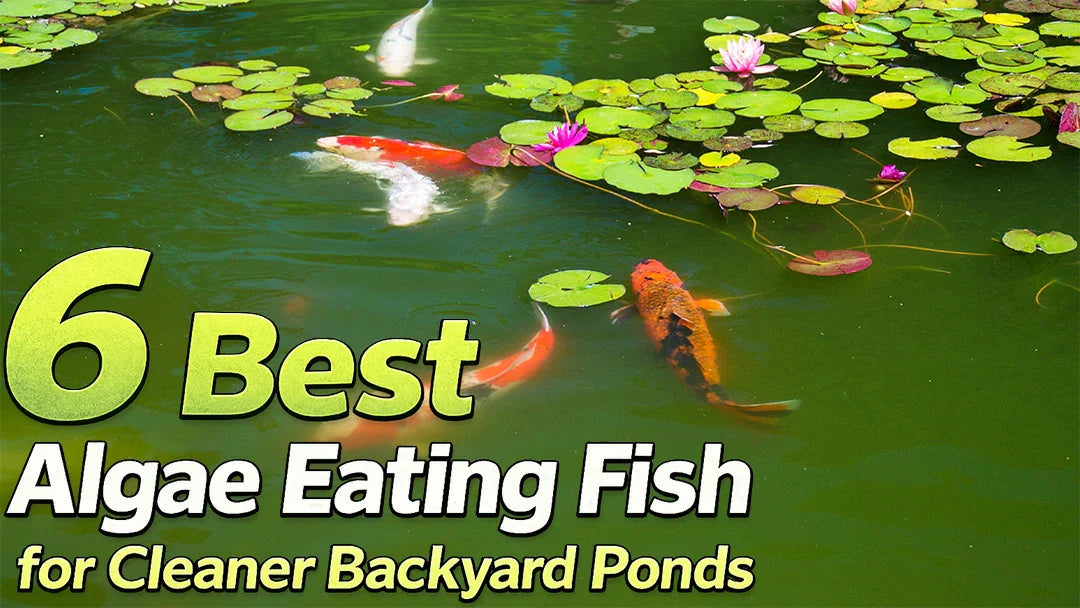
Green water and slippery pond walls are probably one of the situations that every pond owner will face eventually. When the algae growth process starts, the pond immediately loses its clean appearance. It is probably at that moment that a simple, but very important, question comes to mind: whether or not fish will eat the algae.
Yes, some fish do. However, not all algae and not all the time! Fish that eat algae function as helpers and not cleaners. In this article, we will discuss six fish species commonly mentioned as algae-eating fish and what they really do in your pond.
Do Fish Really Help Control Algae in a Pond?
Fish can be helpful in managing algae growth but will not completely solve the problem. This is a point of confusion. Many fish that consume algae are grazers. Grazing fish will scrape algae, biofilm, and leftover food particles from surfaces.
Algae grow because of the availability of light, nutrients, and still water. Fish influence only part of the process. They cannot reduce excessive waste or correct circulation problems.
For small ponds, the effect of small algae-eating fish can help control the growth of algae. For large ponds, their effect is less evident. This is natural.
You could consider the use of algae-eating fish as a type of "support maintenance." While these fish keep the buildup at a minimum, they also require the assistance of plant life, filter use, and well-oxygenated water. Oxygen helps beneficial bacteria to clean the water effectively.
6 Algae-Eating Fish Commonly Used in Ponds
1. Goldfish

One of the most reliable pond fish is the goldfish. Goldfish will eat soft algae and thin biofilms. Goldfish are active, hardy, and easy to care for.
They don't eat thick string algae. Still, in lightly stocked ponds, goldfish help keep surfaces clean in the long term. They help prevent dead spots in shallow areas with their movements.
Goldfish do well in small to medium-sized ponds.
2. Koi Carp (Limited Algae Control)

Koi are thought to be strong algae-eaters. However, only part of that statement is true. Baby koi will eat algae, but adults are primarily herbivores and eat pellets, insects, and plants.
Koi grow big and generate a lot of waste. If not properly removed, this waste actually contributes to the growth of algae.
Koi should live in large ponds with good water movement.
3. Rosy Red Minnows

Rosy red minnows are small and active fish that graze on soft algae and microscopically small growth on rocks and liners.
This cold-hardy species is often used in wildlife ponds. They are mild in controlling algae. They are best used in a school rather than as individuals.
They are a good choice for shallow ponds.
4. Chinese High-Fin Banded Shark (Juveniles Only)

Young fish of this species feed on algae and leftover food. As this species matures, it is no longer of any use in controlling algae and grows far larger than expected.
It requires deep water and plenty of oxygen. It is not recommended to keep this species in small ponds.
Only experienced pond keepers should attempt this.
5. Plecostomus (Mostly Aquarium Use)

Plecos are known to be excellent algae-eating fish in an aquarium environment; however, they are not a wise choice in a pond environment. This is because most plecos require a warm environment to thrive.
Ponds that are kept outside tend to get cold during the night or in the middle of winter, which stresses plecos and can result in death. Some plecos also grow really large.
Plecos are better kept in aquariums.
6. Siamese Algae Eater (Limited Pond Use)

The effectiveness of this fish is also seen in its use in tanks and its popularity as a type of algae-eating aquarium fish. This is because it feeds on some types of algae not consumed by other fish.
However, it prefers to live in warm water. Outdoor ponds tend to be too unpredictable.
For this reason, it is seldom used for ponds.
Selecting the Best Algae-Eating Fish for Your Pond
Prior to the introduction of any species of fish to the pond, an honest look at the pond itself should be made. Its size, depth, and the climate of the area where it is located all matter.
- For small ponds, small hardy fish such as goldfish or minnows can be used.
- For large ponds, koi can be used provided that the pond has proper filters installed.
- Cold climates do not suit a number of tropical species. Warm-water fish do not do well in most outdoor climates.
But remember this too: algae eaters require good water. Fish do not do well when water is bad. Water is bad before algae is ever good.
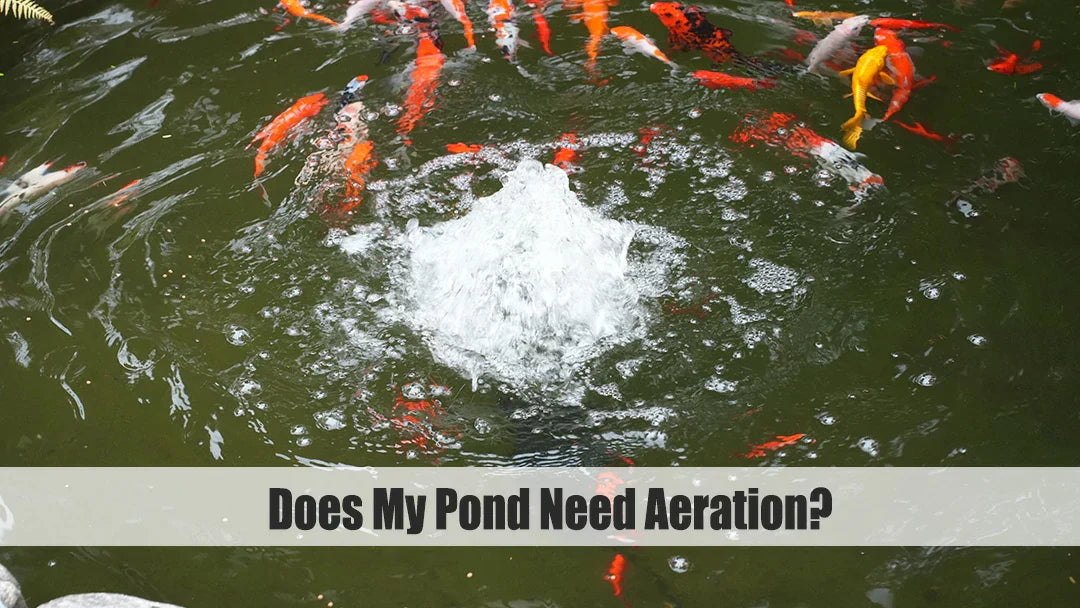
An improvement in circulation will enable fish to survive and reduce stagnant areas in the water. The use of a solar filter fountain will help maintain oxygen in the water while promoting circulation.
The health of fish should come first before algae control.
Conclusion
Algae-consuming fish may help to sustain a pond, but they do not replace a well-planned and well-maintained pond. Balance is the answer. Light, nutrients, movement, and life all interact.
If algae eaters are used well, they will be helpful to the health of the system. If they are not used well, they will be harmed and will make the problem worse.
Poposoap products emphasise circulation and the addition of oxygen. These elements assist the fish as well as the water quality.
For equipment setup and flow planning, this guide is worth reading next: Pond Pump Installation Guide.

P3203 20W 280GPH Solar Pond Filter Fountain
$119.99
Clean and oxygenate your pond with this 20W solar pond filter pump. Eco-friendly 280GPH flow ideal for small to medium backyard water features.
Frequently Asked Questions
Do Fish Mainly Consume Algae as Food?
No. Algae are not a primary food source.
Can Algae-Eating Fish Eliminate String Algae?
Rarely. String algae typically requires manual removal and increased circulation.
Can an Algae Eater for an Aquarium Be Used for a Pond Too?
Very few aquarium algae eaters are suitable for ponds, as most cannot cope with temperature changes in outdoor environments.
How Many Algae-Eating Fish Does a Pond Need?
That depends on the size of your pond. Too many fish will result in waste and algae buildup.

Leave a comment
All comments are moderated before being published.
This site is protected by hCaptcha and the hCaptcha Privacy Policy and Terms of Service apply.