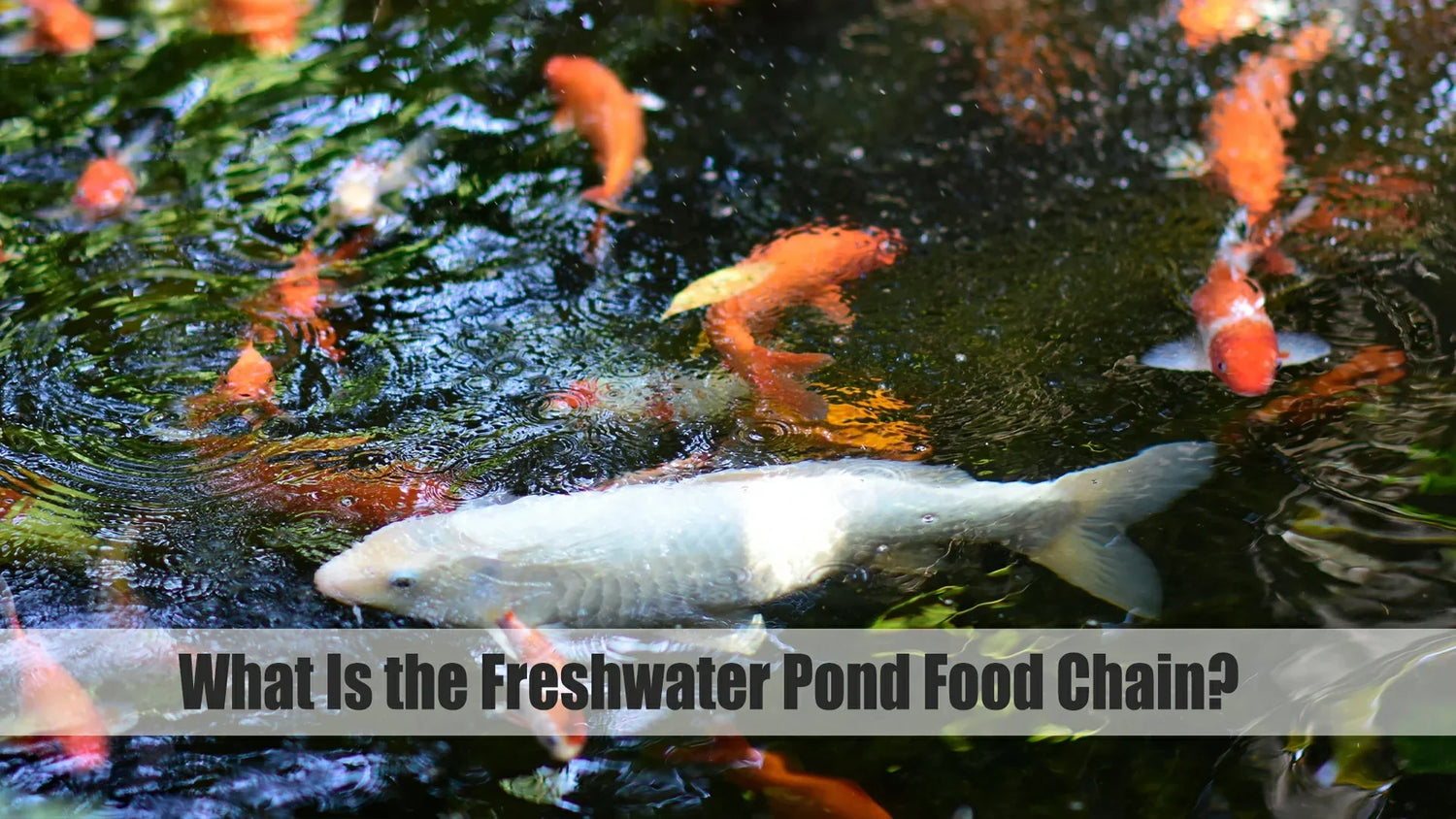
Anyone who owns a garden pond-whether it's a small container pond or a full backyard water garden-soon learns that even the calmest pool of water is brimming with life. There is a dynamic network in that pool of water beneath the water surface: organisms feeding, growing, and recycling nutrients. Understanding the pond food chain isn't reserved for biologists; rather, anyone hoping to maintain a healthy, clear, balanced freshwater pond will need to learn about this concept.
When you add moving water through tools like Poposoap solar fountains, pond filters, or waterfall kits, you're not only improving water appearance-you're supporting the natural processes that make a freshwater ecosystem function smoothly. This article breaks down how a freshwater food chain works, the organisms involved, and why each plays a vital role.
Introduction - What is a Freshwater Pond Food Chain?
A freshwater food chain is the sequence of energy transfer from one organism to another within a pond. It always starts with the sun, then goes through plants, small organisms, fish, and ends with decomposers. Every link in that chain contributes to the health of the whole pond.
Understanding this food chain helps pond owners choose the right plants, maintain proper circulation, and support biodiversity. Moving water-especially through environmentally friendly products like Poposoap's solar-powered pumps, keeps oxygen levels stable and supports every step of the food chain.
Components of the Freshwater Pond Food Chain
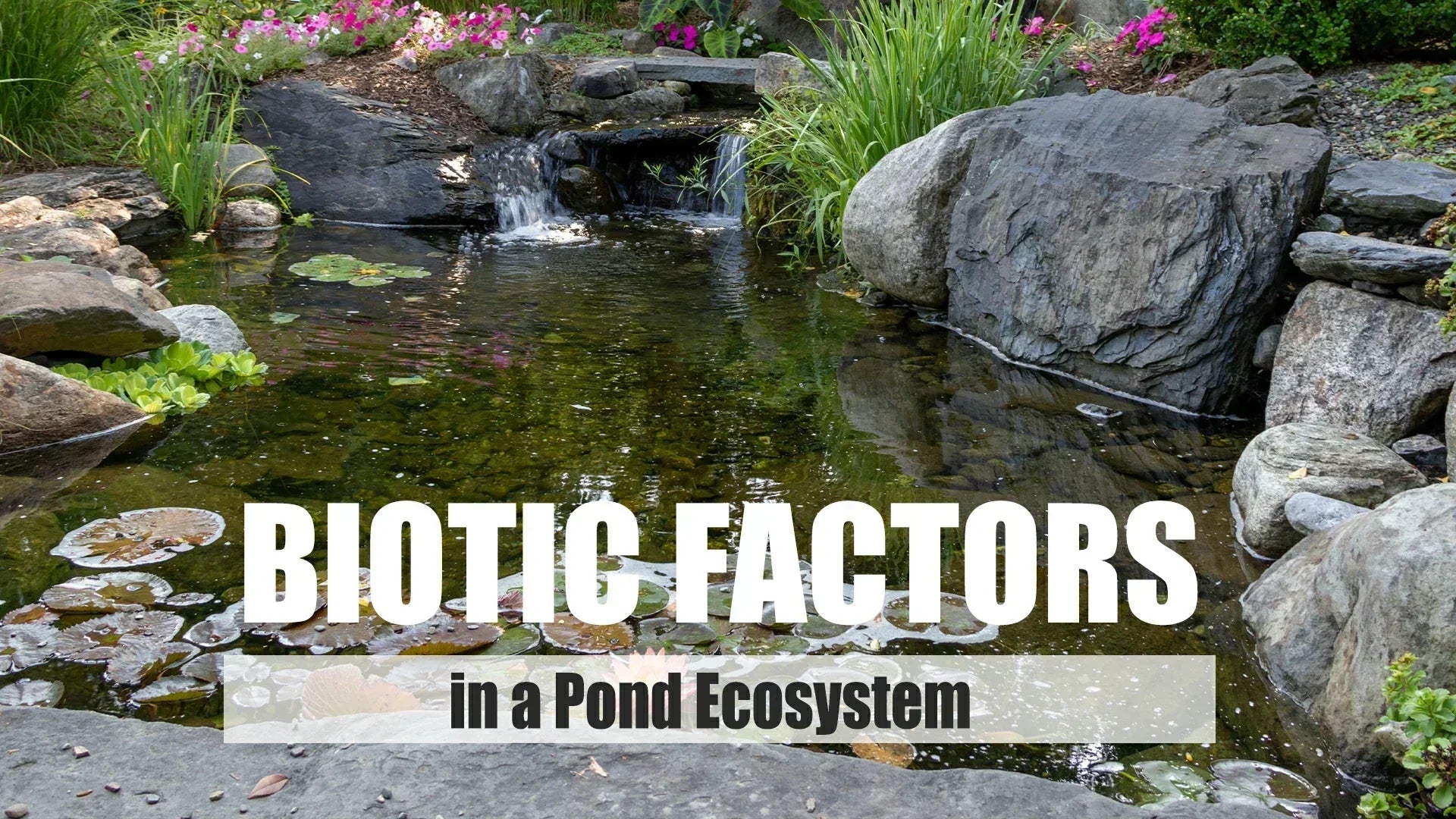
A typical food chain in freshwater would involve four major groups:
1. Producers
- Aquatic plants
- Algae
- Phytoplankton
These organisms capture solar energy and form the base of the entire freshwater ecosystem food chain.

2. Primary Consumers
Small animals that feed on plants, including:
- Zooplankton
- Insect larvae
- Snails
- Small crustaceans
These species are an important food source for larger animals.

3. Secondary Consumers
Organisms which feed on primary consumers, including
- Small fish
- Frogs
- Dragonfly nymphs
They help maintain balance by controlling insect populations.

4. Tertiary Consumers
Top predators like:
- Larger fish
- Birds visiting the pond
- Aquatic mammals (in natural ponds)
All of these components are dependent on healthy water quality and stable oxygen levels, conditions supported by the Poposoap filtration and aeration products.

How the Freshwater Food Chain Works
A food chain in a freshwater ecosystem works by transferring energy upward:
- Sunlight→ captured by plants and algae
- Producers make energy→ through photosynthesis
- Primary consumers feed on plants and algae.
- Secondary consumers feed on small animals.
- Tertiary consumers dominate the top of the chain.
- Decomposers break down waste.→ returning nutrients to the system

Of course, this loop goes on and on. Water movement—created by solar pumps, filters, and waterfalls—supports the process and increases oxygen availability, offsetting stagnation, which would otherwise harm many links in the chain.
Example of a Freshwater Pond Food Chain
A simple food chain for a pond is as follows:
Sunlight → Algae → Zooplankton → Small Fish → Larger Fish → Decomposers
The example might be even more recognizable for a backyard pond:
- Sunlight fuels the growth of algae and aquatic plants.
- Plants feed snails and insect larvae
- The insect larvae are consumed by frogs and small fish.
- Small fish become prey for larger pond fish or birds.
- Bacteria decompose organic waste products, returning nutrients to the plants.
Each step depends on adequate oxygenation. For instance, a solar fountain or a pond filter from Poposoap raises oxygen levels and helps the cycle continue with ease.

The Role of Each Organism in a Freshwater Ecosystem
Every category of organism plays a specific role in maintaining the ecosystem.
Producers – The Energy Foundation
Plants and algae are responsible for converting sunlight into energy. Without them, no other level of the food chain could exist. Good light exposure and proper nutrient balance determine their health.
Primary Consumers – The Middle Link
Zooplankton, small insects, and snails consume plants and algae. They prevent the overgrowth of producers and serve as nutrition for larger animals.
Secondary Consumers – The Balancers
These fish and amphibians regulate insect populations. Healthy water circulation from solar pumps supports their oxygen needs.
Tertiary Consumers – The Predators
Natural food chains in ponds prevent any one species from taking over due to larger predator fish, herons, and raccoons at the top.
Decomposers – The Recyclers
Waste material is broken down by bacteria and fungi. A well-designed filter box and multi-stage filtration media—consistent with Poposoap's product philosophy—provide an excellent environment for the beneficial bacteria to do their work.
Human Impact on Pond Food Chains
Human activities either enhance or disrupt the food chain in freshwater ponds.
Positive impacts
- Using environmentally friendly solar pumps to circulate water without harming wildlife
- Installing filters that help in water clarity and nutrient balance.
- Planting native aquatic plants
- Avoiding chemical treatments
These choices align with Poposoap's brand mission of helping users "create little moments of joy in your garden while protecting the world we share."
Negative impacts
- Overfeeding fish
- Introducing invasive species
- Application of pesticides near the pond allowing stagnation or poor filtration
Poor water quality affects all levels of the food chain, from algae to fish to decomposers.
Conclusion - The Balance of Life in Freshwater Ponds
The freshwater pond food chain is a delicate balance of sunlight, plants, insects, fish, and microorganisms-all working in harmony in order to keep a thriving ecosystem. Once you understand how each link functions, you will be better equipped to create a pond that stays clear, healthy, and full of life.
Combined with natural biological processes and reliable tools, such as solar fountains, pond filters, and waterfall kits by Poposoap, you'll be supporting the whole food chain from bottom to top. This harmony will turn what was an ordinary pond into a thriving freshwater ecosystem that you can enjoy throughout the year.
READ MORE: The Ultimate Guide to Garden Pond Water Circulation Systems

P3203 20W 280GPH Solar Pond Filter Fountain
$119.99
Clean and oxygenate your pond with this 20W solar pond filter pump. Eco-friendly 280GPH flow ideal for small to medium backyard water features.
FAQs About Freshwater Pond Food Chains
Because every maintenance decision-plants, fish, pumps-affects ecosystem balance.
Yes, but at a smaller scale. Human decisions have an impact on the pace and strength of the cycle.
Absolutely, solar fountains and pond filters provide oxygen circulation essential for every stage of the food chain.
Algae blooms, pest surges, or fish stress may occur-signs of an imbalanced ecosystem.
Thereby, proper water movement and filtration systems, which enhance the growth of useful bacteria.

Leave a comment
All comments are moderated before being published.
This site is protected by hCaptcha and the hCaptcha Privacy Policy and Terms of Service apply.