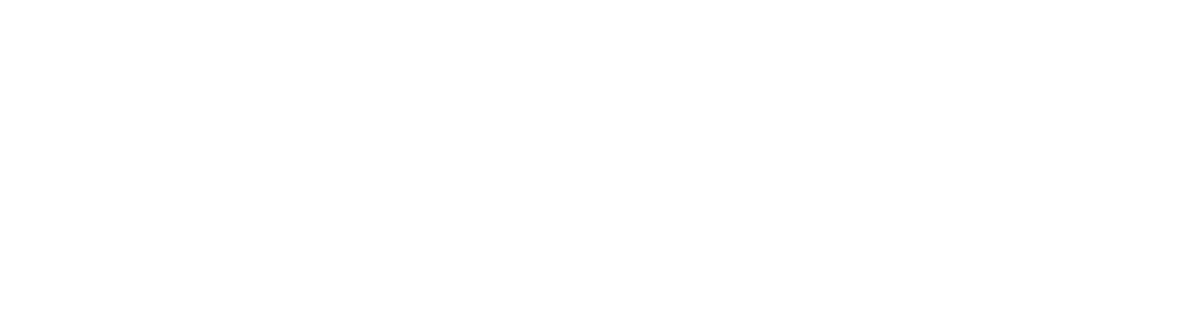
If you have ever wondered how often to feed fish, what to feed them, or why your goldfish in an outdoor pond seem hungry all the time, you are not alone. Feeding pond fish is one of the simplest joys of pond-keeping, yet it's also one of the most misunderstood aspects of maintaining a healthy ecosystem. Overfeeding is the number-one cause of cloudy water, algae blooms, and poor fish health---yet many pond owners don't realize how closely feeding is tied to water quality.
Proper feeding helps your fish grow, develop color, strengthens their immune system, and ensures longevity. Of course, combined with proper pond aeration and filtration-in which Poposoap does specialize in with sustainable solutions-you create an environment where fish truly thrive.
This guide breaks down everything one needs to know regarding when, what, and how to feed pond fish, including best times, proper methods, and feeding tools that make the job easier.
Introduction - Why Proper Feeding Matters for Pond Fish
Feeding fish isn't just about giving them food; it's about maintaining the balance of the entire pond ecosystem. Pond fish depend on you for nourishment, while your pond depends on you not to overfeed it. Food not consumed decays rapidly, producing ammonia and phosphorus that poison fish and promote algae blooms.
Proper feeding directly affects:
- Water clarity
- Oxygen levels
- Fish coloration
- Immune system strength
- Overall pond stability
In short, thoughtful feeding keeps your pond and fish healthier-and makes maintenance far easier.

How Often Should You Feed Pond Fish?
When the question arises for pond owners, "how often should I feed my fish?", temperature, season, and fish type determine the answer.
General Feeding Frequency
- Warm months (spring--summer): 1--2 times a day
- Mild weather (fall): once a day or every other day
- Cold weather: feed lightly or stop feeding below 50°F (10°C)
Fish metabolism slows down dramatically in cool water. Goldfish and koi have poor digestion in cold temperatures, and feeding during the winter months can cause digestive stress.
The 5-Minute Rule
Only feed what your fish will eat in three to five minutes.
If food remains after that, you're overfeeding.
Best Time to Feed Fish During the Day
| Water Temp (°F) | Recommended Feeding Time | Frequency |
|---|---|---|
| 75°F + (24°C +) | Early Morning / Late Evening | 2 - 4x daily |
| 65° - 75°F (18° - 24°C) | Anytime during daylight | 1 - 2x daily |
| 55° - 65°F (13° - 18°C) | Warmest part of the day | 1x daily |
| 50° - 55°F (10° - 13°C) | Warmest part of the day | 2 - 3x weekly |
| Below 50°F (Below 10°C)** | DO NOT FEED | None |
Many pond owners have questioned the best time to feed fish: morning, afternoon, or evening. For outdoor ponds, the most important factors are consistency and water temperature.
Optimal Feeding Times
Morning: when sunlight warms the water
Early evening: Temperature is stable
Avoid feeding at midday during very hot weather. Low oxygen levels during hot afternoons can stress fish and slow digestion.
Poposoap's solar fountains and waterfalls naturally improve aeration during feeding times by keeping the water in motion, especially during sunlight hours when fish are more active.
What to Feed Pond Fish -- Choosing the Right Food

Different pond fish have different needs, but choosing high-quality food helps boost immunity and reduce waste.
Options would include:
- Floating pellets for koi and goldfish
- Protein-rich growth formulas (for summer)
- Wheat-germ formulas (for cold seasons)
- Color-enhancing food with natural carotenoids
- Occasional treats: bloodworms, peas, brine shrimp
Why Food Quality Matters
Cheap food contains fillers that fish can't digest well. Poor digestion leads to more waste--meaning more ammonia, more algae, and more maintenance.
Better food = clearer water.
Feeding Pond Fish in the Right Manner
Proper feeding isn't just about quantity, it's about technique.
1. Feed Small Amounts Frequently
Smaller portions help reduce waste and put less stress on your pond's nitrogen cycle.
2. Spread the Food Across the Water Surface
This will prevent competition, thus allowing shy fish also to be fed.
3. Observe Your Fish
Healthy fish are quick to respond, and actively swim to the surface.
Lethargy is one manifestation of water quality problems.
4. Adjust for Amount of Shade and Sunlight
Fish eat more on days that are warm and bright than on cool, cloudy days.
5. Discard Unconsumed Food
If food still floats after a few minutes, scoop it out.
Consistent, thoughtful feeding helps your pond's biological filtration system---including Poposoap's aeration and filter solutions---work more effectively over time.
Using Automatic Fish Feeders for Ponds
Fish feeders for ponds are a worthwhile upgrade for the occupied pond owner or for those who travel a great deal. They will dispense portions at pre-programmed times in amounts needed and thus prevent overfeeding.
Why Many Pond Owners Use Automatic Feeders
- Prevents overfeeding-the leading cause of poor water quality
- Ensures fish eat on schedule---even when you're away
- Reduces stress for goldfish and koi
- Pairs well with solar-powered aeration systems in outdoor ponds
Automatic feeders keep feeding clean and controlled, reducing leftover debris and allowing for healthier biological processes.
How Feeding Impacts Pond Water Quality

Feeding is directly related to the health of your pond ecosystem. Overfeeding is the leading cause of:
- Cloudy water
- Algae blooms
- Ammonia spikes
- Low oxygen levels
- Sludge build-up
Leftover food decomposes rapidly, releasing waste that worsens the stress in fish and overworks the filtration system.
How Poposoap Helps Maintain Water Balance
Poposoap's pond fountains, solar pond filters, and waterfall systems create improved water movement and oxygenation, enhancing the activity of beneficial bacteria that process waste efficiently and leaving your pond clearer and more stable year-round, especially those containing koi or goldfish.
Conclusion: Feed Smart, Keep Your Pond Healthy
Feeding your pond fish correctly is among the most effective ways of supporting their health and maintaining water quality. Consistent feeding schedules, appropriate food, and mindful portion control go a long way in reducing maintenance requirements and preventing issues commonly found in ponds. Add to this a strong circulation and filtration-something which Poposoap's eco-friendly water systems are built for-and you have the perfect environment where fish grow stronger, show richer colors, and live longer, healthier lives.
READ MORE: How Much Does a Koi Pond Cost?

20W 280GPH Solar Water Fountain Pump
$86.99
Enjoy the best solar powered fountain for home gardens. This 20W adjustable pump delivers 280GPH flow—perfect for ponds, birdbaths, and patios.
FAQs About Feeding Pond Fish
1-2 times a day, only what they can finish in a few minutes.
Yes-algae, insects, and plant matter supplement their diet, but you should still feed them on a regular basis.
Food that's uneaten pollutes the pond, increases ammonia, and clouds water.
Yes. Low-protein, wheat-germ formulas are best during cold weather.
Yes, but occasional manual feeding helps in observing fish health.

Leave a comment
All comments are moderated before being published.
This site is protected by hCaptcha and the hCaptcha Privacy Policy and Terms of Service apply.