

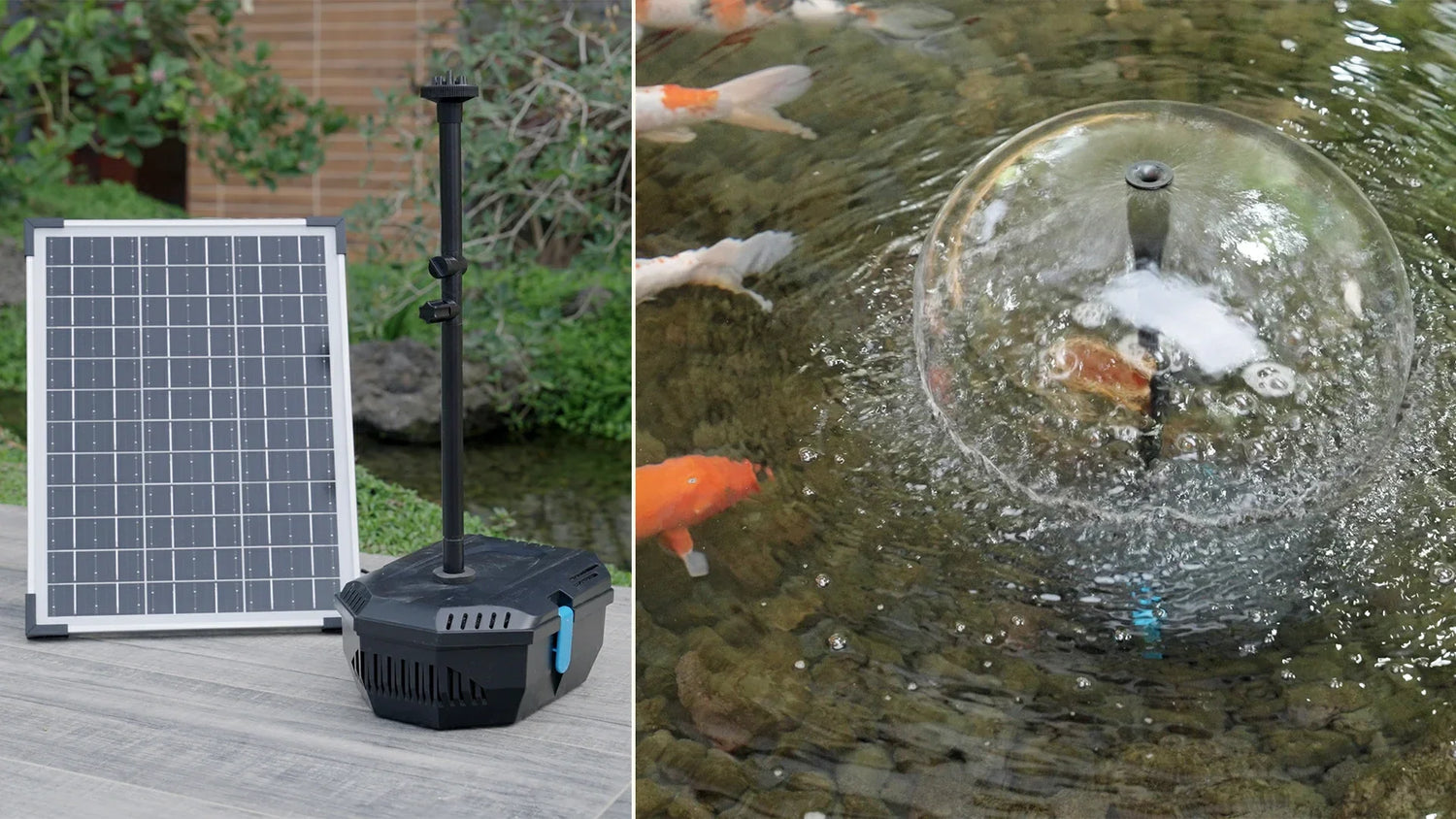
If you’ve ever dreamed of keeping your backyard pond crystal clear without running cables across the garden or paying extra on your electricity bill, you’ve likely wondered: Do solar-powered pond filters work?
A fair question — good filtration means clean water and healthy fish. However, can sunlight alone provide the same level of performance as a traditional electric system? Yes, it can — solar pond filters do work, but it is as much about design, pump size, sunlight levels, and maintenance.
In this expert guide, we’ll explain how these systems function, where they excel (and where they don’t), and how Poposoap’s solar pond filter kits maximize energy and filtration efficiency to keep your water naturally balanced all year long.

What Is a Solar-Powered Pond Filter?
A solar pond filter is a filtration system that uses solar panels to power a water pump that moves pond water through filtering media that remove dirt, algae, and harmful chemicals.
Instead of plugging into a wall outlet, the pump is powered directly from the sun. As water flows through mechanical sponges or biological media, it's filtered and oxygenated, and then pumped back into the pond.
Poposoap's Solar Filter Systems
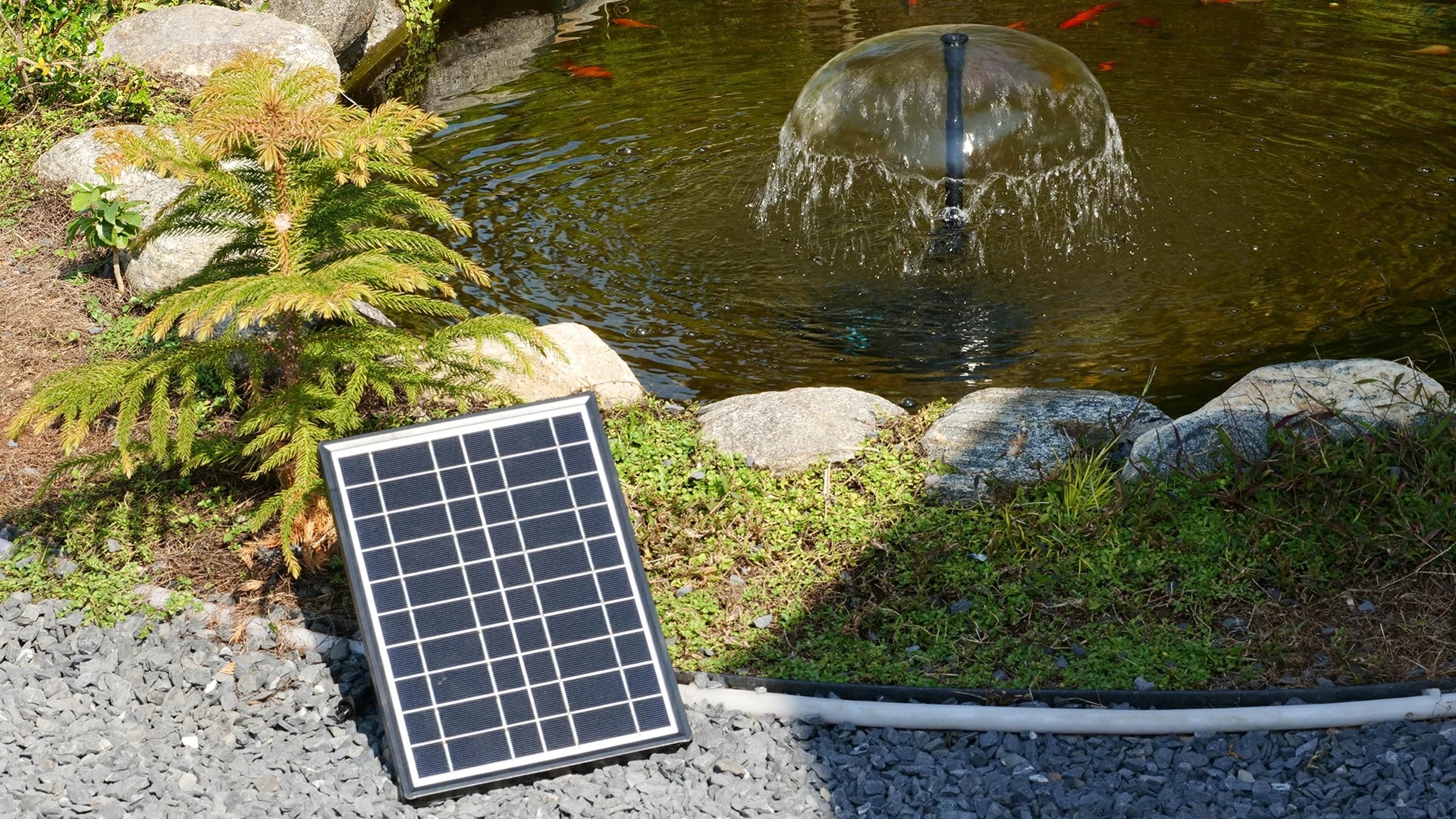
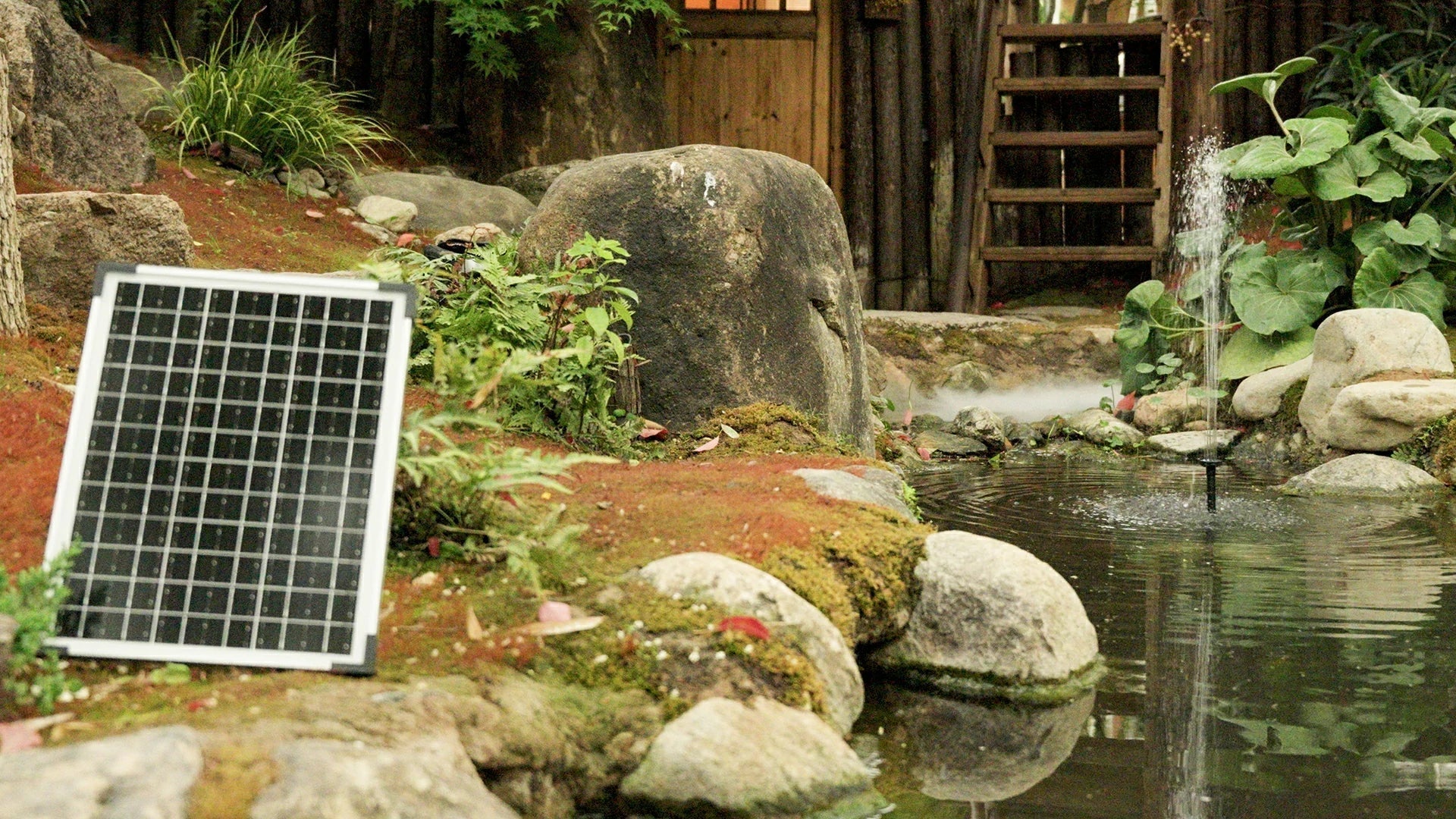
Poposoap solar pond pump and filter systems are ideal for small to medium-sized ponds, bird ponds, or ornamental water gardens — perfect for clients who like green performance and easy installation.
Do Solar-Powered Pond Filters Really Work?
Yes — well-designed and properly maintained, solar pond filters work exceptionally well on small wildlife refuges and ponds.
Solar pumps have seen tremendous advances over the last decade. New designs utilize brushless DC motors, high-efficiency solar panels, and multi-layer filters without compromising water clarity while eliminating the demand for constant electricity.
But they are sun-dependent. They will function less in cloudy weather, unless the unit is battery-backed. Poposoap's solar filter units employ high-capacity energy storage and intelligent energy storage to run smoothly even in low light conditions, delivering smooth aeration and filtration.
Therefore, whereas traditional solar filters were more of a crapshoot, modern solar filters such as Poposoap's ensure daily, consistent filtration to keep ponds clean, safe, and green.
How Solar Pond Filters Vary from Electric Filters

Both solar and electric pond filters perform the same function — cleaner, healthier water — just in different ways of accomplishing it.
1. Power Source
- Electric Filters: Plug into an electricity source and run constantly.
- Solar Filters: Utilize sunlight and will shut down at dusk unless paired with a battery.
2. Efficiency of Energy
- Electric: Higher power consumption and constant cost.
- Solar: 100% renewable power, no operating cost.
3. Installation
- Electric: Requires safe wiring and near an outlet.
- Solar: Simple installation, no wiring, outdoor safe.
4. Application
- Electric: Ideal for large ponds or large fish systems.
- Solar: Ideal for small to medium ponds, wildlife ponds, and garden water features.
Solar filters trade operating time for simplicity and sustainability — a trade-off well worth making for most in-home buyers.
Advantages and Disadvantages of Solar-Powered Pond Filters
Advantages:
- Environmentally friendly: Operates solely on solar energy.
- Cost-effective: No electricity bill or cabling.
- Simple installation: Plug-and-play setup without risk of electric shock.
- Quiet operation: Brushless pumps are quiet and smooth-running.
- Wildlife-friendly: Gentle flow is fish- and amphibian-safe.
Disadvantages:
- Sunlight-dependent: Less output on cloudy days.
- Smaller capacity: Not ideal for large ponds or heavy waste loads.
- Regular cleaning required: Filters and nozzles must be rinsed periodically to achieve optimal performance.
With all that in place, high-tech systems like Poposoap's solar pond filters overcome these weaknesses with better panels, robust water pressure, and backup batteries.
How to Make Solar Pond Filters Work Better
Even the best system benefits from smart setup and maintenance. Here's how to make the most from your solar-powered pond filter:
- Position Panels in Full Sun: Position them to receive full sun and avoid shade, leaves, and obstructions.
- Clean the Filter Periodically: Clean the biological media or sponge every 1–2 weeks.
- Monitor Water Level: Submerge the pump to prevent heat buildup.
- Add Aeration Equipment: Install air stones or bubble nozzles for extra oxygenation.
- Use Aquatic Plants: The aquatic plants will absorb nitrates, suppressing algal growth naturally.
Poposoap filter boxes feature double-stage cleaning (biological and mechanical), offering longer maintenance cycles and maintaining water clarity.

Real-Life Results — Do Solar Pond Filters Really Work?
In garden tests and real user reviews, solar pond filters excel in small and medium ponds (less than 500 gallons).
Consumers of Poposoap solar filter kits can notice a dramatic change in only one week — clearer water, fewer films on the surface, and healthier fish. The gentle, continuous flow prevents detritus from settling and naturally injects oxygen, improving water chemistry without electricity or chemicals.
The trick is to size the pump and filter for your pond. Poposoap is available in a range of power sizes to provide sufficient circulation rates (your pond volume should circulate through the filter every 1–2 hours, if possible).
When to Use (and Not Use) Solar Pond Filters
Ideal for:
- Small ornamental or wildlife ponds.
- Birdbaths and shallow water features.
- Eco-friendly gardens with excellent sunlight penetration.
- Seasonal or temporary mounts where wiring is inconvenient.
Not ideal for:
- Deep or highly stocked fish ponds (over 800 gallons).
- Areas receiving very little sunlight or that are constantly shaded.
- High-flow waterfall systems where pressure is required at all times.
In those cases, it might be more appropriate to use a combination of solar filtration and emergency electric operation.
FAQ — Solar Pond Filter Performance
Q1: Do pond filters need electricity?
Not necessarily. Solar pond filters can operate satisfactorily by sunlight alone, especially if mounted with efficient panels and a buffer battery.
Q2: Is it worth investing in solar pond filters?
Yes, in small- to medium-sized ponds, new solar filters will operate in the same way as electric filters, without the expense of any energy consumption.
Q3: Do cloudy days impact solar pond filters?
Improved models such as Poposoap's include batteries to hold additional sun power, so filtration can continue a few hours after nightfall.
Q4: How long do solar pond filters last?
Typically 3–5 years, subject to maintenance and water quality. Brushless motors help with extended life.
Q5: Can solar pond filters be used with koi or goldfish?
Yes, with low fish density. More highly stocked or large ponds may require supplementary aeration or mechanical filtration.
Conclusion — Solar Pond Filters Work When Properly Designed
Do solar-powered pond filters work? Yes — when appropriately designed with the appropriate blend of solar efficiency, water flow, and filtering ability.
Poposoap solar pond filter kits are developed with these principles in mind. With efficient panels, smart battery storage, and long-lasting filtration systems, they provide fresh, oxygenated water without the wiring frustration or additional electricity charges.
For ecologically conscious pond owners, they offer a sparkling, healthy pond powered by sunlight — peaceful, effective, and 100% natural, with minimal effort.

Leave a comment
All comments are moderated before being published.
This site is protected by hCaptcha and the hCaptcha Privacy Policy and Terms of Service apply.