

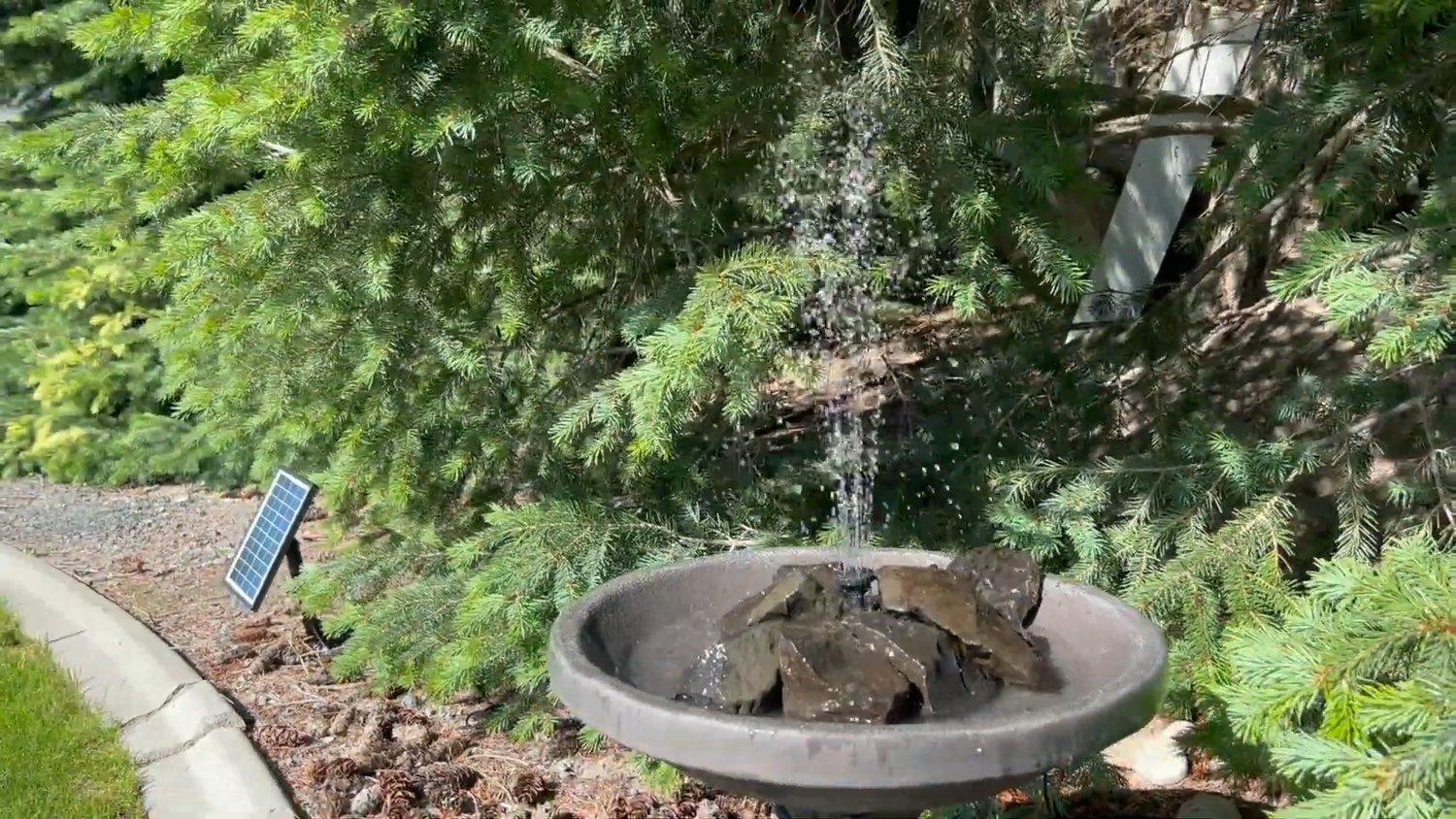
Have you ever wondered if there is a more eco-friendly way to run a garden fountain? Or a small pond? What about an irrigation system without monthly electricity bills? It’s all about finding a cleaner and more cost-effective solution. Today, homeowners and garden enthusiasts are embracing a green revolution. They are replacing traditional power-hungry devices. Solar-powered solutions are becoming the preferred choice. One such option is the Poposoap solar-powered water pump. It offers zero direct electricity costs. It also produces minimal carbon emissions. This article compares solar pumps with conventional electric models. It examines real-world case studies to measure energy-saving benefits. The findings are explained in a clear and practical way. Finally, it shows why switching can be a smart and eco-friendly choice for your home or garden.
Why Solar-Powered Water Pumps Are Becoming Increasingly Popular

1.No Electricity Costs
The major advantage a solar-powered water pump has is that it draws its power from the sun rather than from an electrical grid. This essentially erases ongoing power charges so the homeowner can experience constant water movement without additional cost every month. Over time, this can amount to a great deal for those who have a fountain or other water feature running daily.
2.Low Maintenance, High Reliability
Thanks to advances in solar panel technology, solar pumps are more reliable today than they have ever been. Many have simple plug-and-play designs featuring few moving parts and minimal wiring. This often equates to lower maintenance demands-a plus for anyone looking to avoid hassles. In addition, you gain peace of mind knowing you are not tied to a power outlet. You don’t have to worry about power outages. This gives you more flexibility and reliability.
3.Eco-Friendly and Sustainable
Electric pumps rely on energy derived from fossil fuels. In contrast, a solar-powered water pump operates with little to no greenhouse gas emissions. This makes it a cleaner option during everyday use. You are reducing your carbon footprint by tapping into clean, renewable sunlight. In an increasingly climate-conscious world, this small step can go a long way toward wider environmental goals.
The Advantages Over Traditional Electric Pumps
1.Eliminating Standby Power Loss
Most traditional electric pumps stay plugged in all day and night, though they may only work at intervals. That can waste "vampire power" just from being hooked up. A Poposoap solar-powered water pump works only when there is enough sunlight. It does not need a standby mode. As a result, no electricity is wasted.
2.Flexible Positioning
Electric pumps need an outlet, which sometimes confines you to certain places in your yard. Long extension cords are unattractive, unsafe, or both. For greater flexibility in where you situate your fountain or water basin, you opt for a solar pump. Just the solar panel needs to capture enough direct sunlight, so positioning can be everywhere. It can make beautiful layouts in the gardens without the limitations of electricity, for example.
Practical Tips to Maximize Solar Pump Efficiency

1.Optimal Placement of the Panels
For maximum performance, the solar panel needs enough direct sunlight. It should receive at least six hours each day. This ensures the water pump runs at full output. Consider also the path that the sun has during different months. Usually, the best output throughout the entire year is usually at a tilt angle equal to your latitude.
2.Cleaning and Regular Maintenance
It loses 15% or more in efficiency when it collects dust, dirt, or bird droppings on top of the panel. A gentle wipe with a soft cloth helps keep it clean. This should be done once every few weeks. Extra cleaning may be needed during very dusty, dry, or wet periods to maintain optimal performance. Also, periodic checking on the intake side of the pump will help keep it from being clogged due to leaves, algae, and sediment.
3.Freezing Temperatures Protection
In cold climates, the water can freeze around the pump and damage parts. If you live in a very cold area, consider draining the system. You can also move the pump indoors during cold spells. This helps prevent damage from freezing temperatures. Small pond heaters or winter-ready designs can be an option for some owners. However, if those heaters use grid power, they may reduce the benefit of zero electricity use.
4.Battery and Backup Solutions
Most conventional solar pumps do not work well in low sunlight. However, newer designs address this limitation. They may include built-in batteries or external energy storage options. Such options allow for operation when overcast conditions prevail or during nighttime hours. The addition of a battery increases initial costs but increases use and reliability for customers seeking uninterrupted water flow.
Real-Life Success Story
Julie, a home gardener from California, decided to make a change. She replaced her 50W electric pond pump with a Poposoap solar-powered water pump. The new pump is used to circulate a small fishpond. This switch helped her move away from electric power. She was initially concerned about power consistency. However, the ample sunlight in her area proved sufficient. It provided more than enough daily runtime. In one year, she estimated she saved approximately $25 in electricity. More importantly, she appreciated how the solar pump blended into her pond’s ecosystem. The water stayed clear. The fish were healthy, and algae growth was reduced. "I never realized how much time I was spending worrying about the cords and outlets," she says. "Now I just wake up, let the sun do its job, and listen to running water."
Conclusion
Solar technology is also developing at a blistering pace, evolving from lab experiments to user-friendly everyday devices. Case in point is the Poposoap solar water pump: the world's first solar-powered water pump. Solar water pumps reduce electricity bills and lower greenhouse gas emissions. They also offer worry-free operation. This makes them appealing to both cost-conscious and eco-minded homeowners.
From tiny birdbaths to medium-sized garden ponds, these pumps get around. Solar panels are now competitively priced. Installation is also simple. It’s no surprise that so many people are making the switch. A single pump may not drastically reduce utility bills. However, it is a meaningful step toward sustainability. It helps save money and reduces environmental impact. It also brings the enjoyment of birds and fish thriving in a sun-powered ecosystem.
(Related reading: What Are Solar Pumps & How They Work?)

20W 280GPH Solar Water Fountain Pump
$99.99
Enjoy the best solar powered fountain for home gardens. This 20W adjustable pump delivers 280GPH flow—perfect for ponds, birdbaths, and patios.
FAQs
Yes. Solar-powered water pumps can still operate on cloudy days, although water flow may be reduced. Models with built-in batteries or backup storage provide more consistent performance during low-light conditions.
Absolutely. Poposoap solar pumps use low-voltage, animal-safe motors, making them safe for fish, birds, plants, and other backyard wildlife.
Maintenance is simple. Clean the solar panel regularly, remove debris from the pump intake, and ensure the panel receives direct sunlight. Most routine maintenance takes less than a minute.


Leave a comment
All comments are moderated before being published.
This site is protected by hCaptcha and the hCaptcha Privacy Policy and Terms of Service apply.