

Did you ever consider the carbon footprint of your everyday water use? Water is essential for life, whether in backyard gardens or large farms. However, we still rely on traditional energy sources to pump and distribute water. These old methods often add a lot to our carbon footprint. If you want a better way to manage water, a solar energy pump is a great option. It cuts down on the need for traditional energy sources and helps reduce your carbon footprint. This technology uses power from the sun. It helps people and communities reduce their reliance on fossil fuels. At the same time, water remains affordable. The supply stays reliable and dependable. In this article, we explore solar-driven pumps. We explain how they support environmental protection. We also show how they help achieve a low-carbon lifestyle.
Bridging Energy Needs and Sustainability

Countries around the world are reducing their reliance on non-renewable resources. The focus is shifting to cleaner energy options. These include solar, wind, and hydropower. Solar stands out for its abundance and ease of deployment. When you use a solar energy pump, you rely on power from the sun. You can use it to water crops, run a fountain, or fill animal water troughs. This lets you take advantage of a free, renewable energy source. This cuts electricity expenses. It also avoids the carbon emissions from using conventional grid power. Diesel generators are another source of emissions that are eliminated.
The push for sustainability is no longer just for environmentalists. It’s a trend that is being embraced by governments and businesses. Even families are now adopting this movement. Whenever you use an electric device, you're contributing (indirectly, though) to the carbon emissions of the world. Switching to a solar energy pump is a direct way to ease that pressure. It reflects the global push for environmental responsibility. This shift contributes to a more sustainable future.
Lessening Carbon Footprint One Pump at a Time

This technology uses power from the sun. It helps people and communities reduce their reliance on fossil fuels. At the same time, water remains affordable. The supply stays reliable and dependable. Traditional electric or diesel-powered water pumps are part of the equation. Fossil fuels are valuable for agriculture, landscaping, and other applications. However, their cumulative impact on carbon levels is significant. This effect is especially pronounced when they are used continuously. It becomes even greater when applied over vast areas or extended periods.
The immediate answer to this issue is the fitting of a solar energy pump. Solar panels convert sunlight into electricity to power the pump's motor. Since sunlight is natural and plentiful, there is no carbon-intensive combustion process. Switching to solar pumps can save significant greenhouse gas emissions. Over time, this impact adds up. The long-term benefits are clear. On a larger scale, adopting solar water pumps can help meet global carbon emission targets. It also plays a role in combating climate change.
Environmental Advantages Outside Carbon Reduction
Carbon reduction is a strong motivation for purchasing a solar energy pump, but the environmental advantages don't stop there:
1. Less Air Pollution: Diesel pumps not only emit CO₂ but other harmful pollutants as well. By switching to solar, you help decrease nitrogen oxides, particulates, and sulfur dioxide in the air. This is important for improving local air quality. It also has a positive impact on public health.
2. Solar pumps can be integrated with smart water management practices. This includes systems like drip irrigation or automatic timers. Such integration ensures efficient use of water. A Solar systems use sunlight instead of a constant power supply. This encourages people to conserve water. As a result, it helps prevent wastage.
3. Less Noise Pollution: Electric motors or diesel generators with high power capacity are noisy. A solar energy pump is much quieter. It creates a more peaceful environment for wildlife. It also benefits nearby communities.
4. Extended Equipment Life: Solar panels, when properly cared for, will last for decades. In the long term, this durability reduces the need to produce new raw materials. Fewer resources are required to manufacture, ship, and install replacement systems. This hidden benefit further supports sustainability goals.
Practical Applications of a Solar Energy Pump

One of the reasons that solar pumps have become so incredibly popular is that they're very versatile. No matter where you live in the world or how large your project is, a solar energy pump can meet your needs. It works across different locations and scales. Chances are, it can deliver exactly the service you need:
1. Home Gardening: If you have a home garden with fruits, vegetables, or flowers, a solar pump can supply water. It works well with drip irrigation systems or sprinklers. It's an affordable way of maintaining healthy plants with lower electricity bills.
2. Livestock and Ranching: Water supply for livestock—cattle, sheep, or goats—usually involves large-scale infrastructure. A solar setup can pump water from reservoirs or wells directly to troughs in far-off grazing grounds.
3. Community Water Supply: In areas with unreliable grid connections, solar pumping technology can be transformative. It is especially effective in off-grid towns. Villages can have year-round access to clean water for drinking, cooking, and sanitation. This can be done without wasting diesel fuel. It also removes the need to rely on an unreliable power grid.
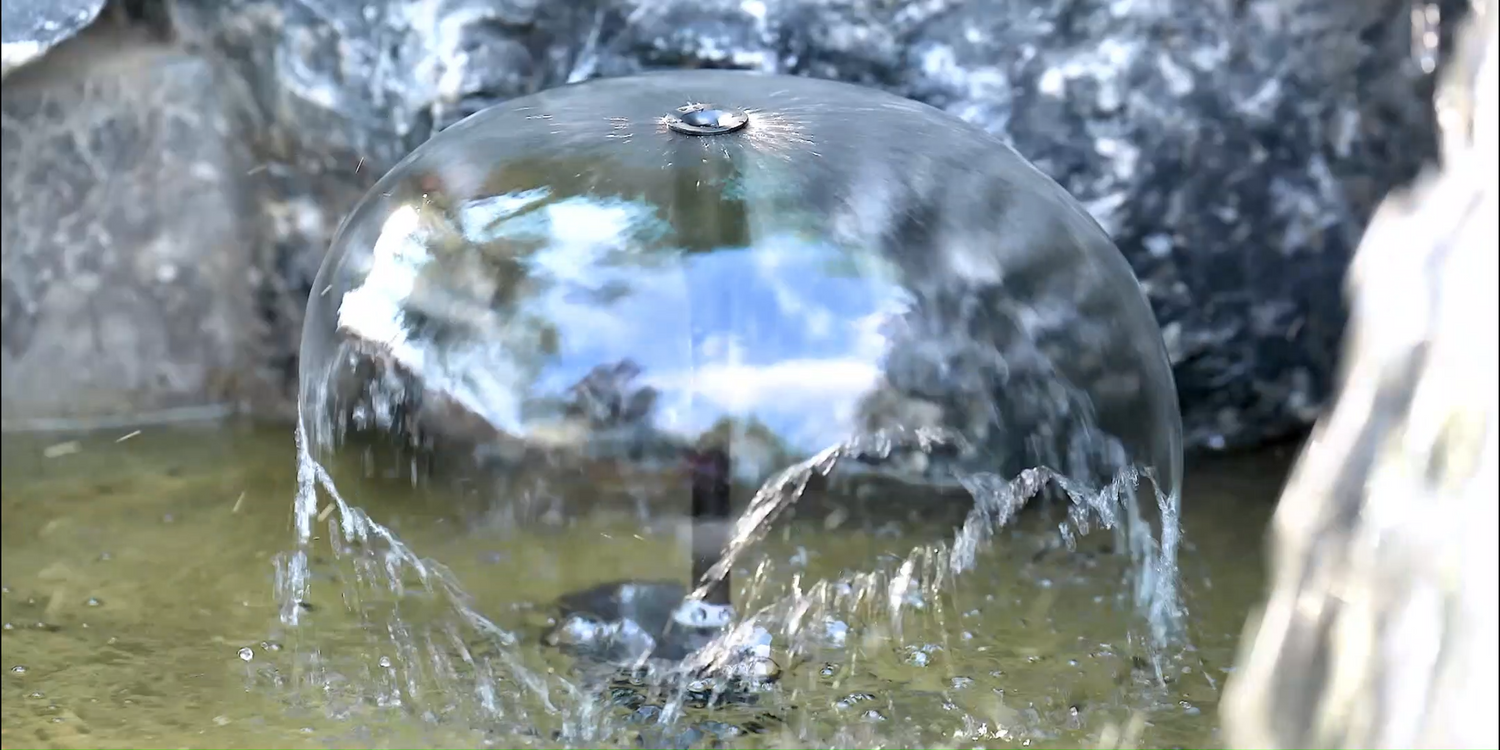
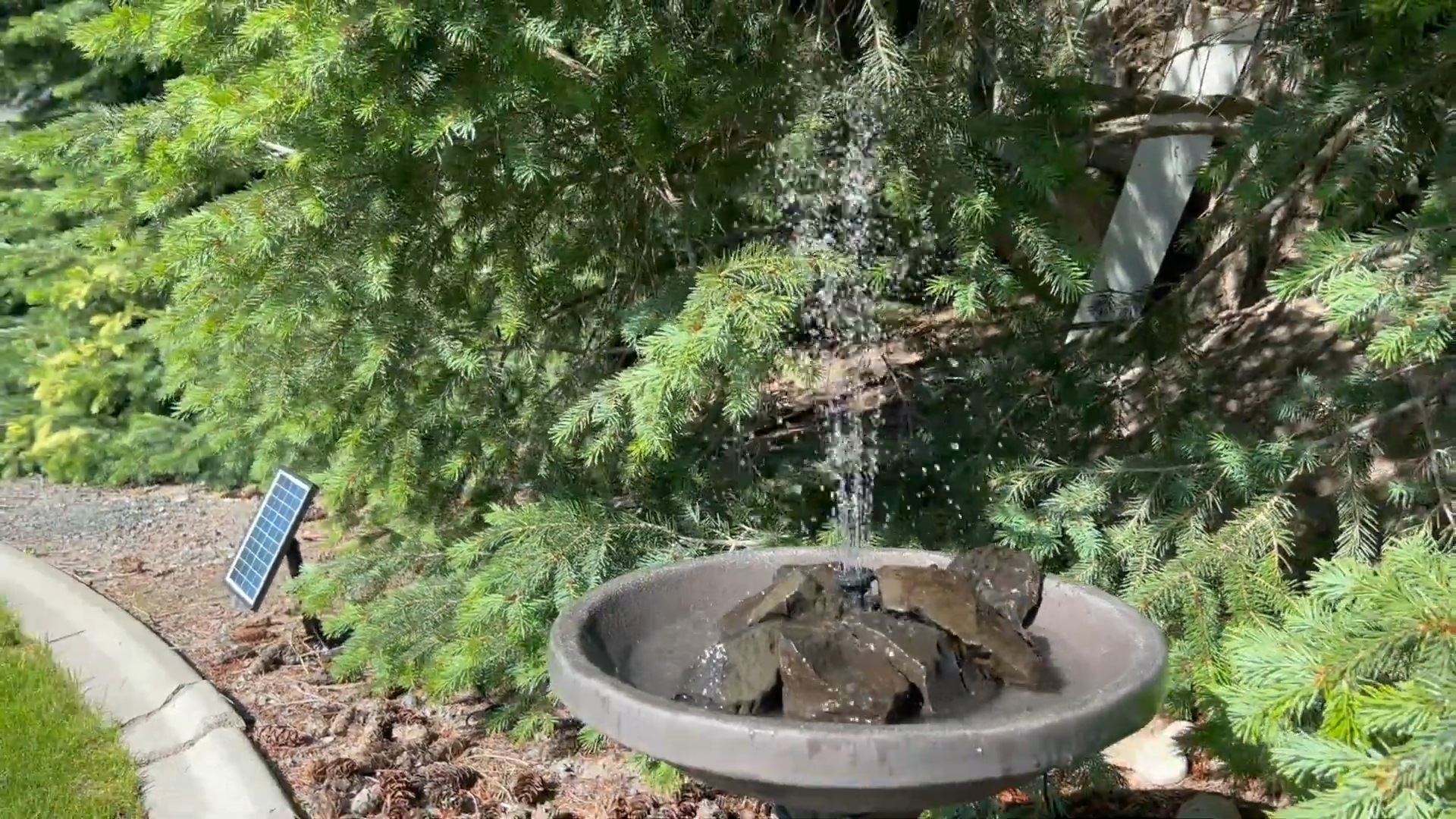
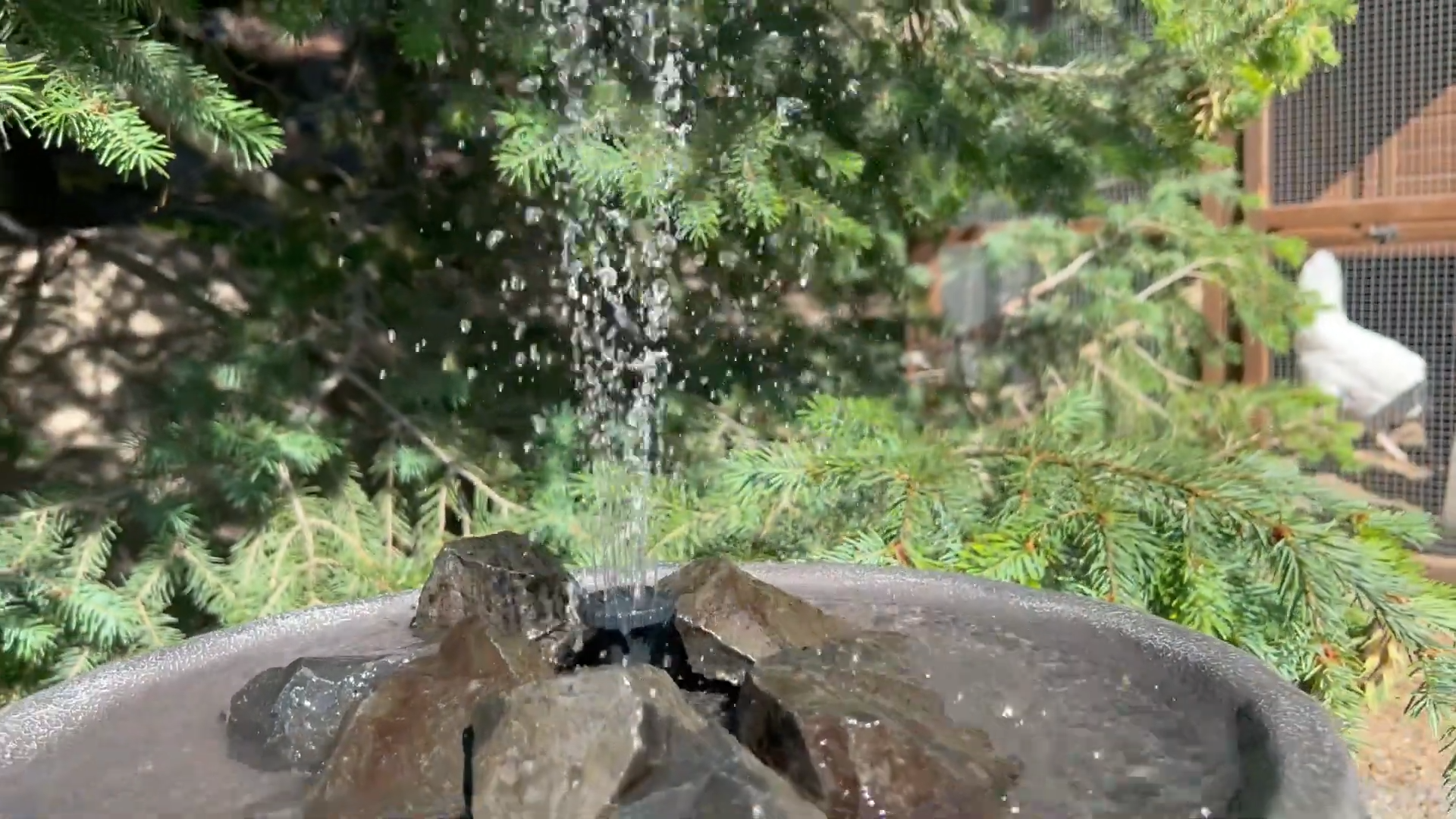
4. Decorative Fountains and Ponds: Even decorative water features are enhanced with eco-friendly alternatives. A small solar-powered pump can circulate water in a fountain or pond. This helps reduce algae growth and enhances the atmosphere. All of it is powered by the sun.
5. Irrigation for Commercial Farming: Large-scale farms are increasingly turning to solar pumping. It helps reduce operating costs while meeting sustainability goals. Solar pumps are also designed to scale up in capacity. This makes them suitable for large irrigation systems. They can handle high water demands during peak growing seasons.
Tuning in with the global green wave
Places and communities around the world are setting stricter environmental standards. Some aim to keep carbon footprints to a minimum. Others are making a full shift toward solar energy. Subsidies and tax credits are becoming more common. Other incentives are also emerging. Together, they encourage farmers, businesses, and homeowners to choose solar panels. By choosing a solar energy pump, you may qualify for grants or tax breaks. This depends on local policies and regulations. The exact benefits can vary by location. Even in places without direct incentives, solar pumping remains appealing. Lower energy bills provide a clear long-term cost advantage. This makes it an attractive choice overall.
Aside from government incentives, consumer awareness is also on the rise. People are increasingly seeking out products and solutions that demonstrate a commitment to environmental responsibility. Installing a solar pump makes you part of these global trends. It also helps you appear more progressive. This can increase recognition for you or your business. If you own a business or run a farm, installing a solar water pump can make a positive impression. It shows customers, partners, and the local community that you care about sustainability. This can strengthen how people view your brand.
Overcoming Challenges
While the benefits of a solar power pump are clear, it is necessary to acknowledge potential challenges:
1. Initial Investment: Solar pumps and panels usually have a higher upfront cost. This is more than what conventional pump systems require. The difference is mainly at the initial purchase stage. However, costs in the solar industry continue to fall. Over time, savings on fuel or electricity help offset the upfront expense. In the long run, the initial cost is balanced out.
2. Seasonal Variations: Solar pumps depend on sunlight. In places with cloudy winters or frequent rain, water output may fluctuate. A battery backup system or stand-by generator ensures your operation does not get disrupted on clouded days.
3. Maintenance: Solar systems are generally low maintenance. However, they still need occasional checks. Dust or dirt should be cleaned off from time to time. Periodic checking of electrical contacts to maintain them in functional conditions will also help maximize your pump.
With planning, they are easier to prevent. Most companies and institutions now offer clear installation instructions. They also provide detailed maintenance guides. As a result, using a solar-based solution feels simpler and more accessible.
Conclusion: A Tool for Low-Carbon Living
Living a low-carbon lifestyle is about taking action. It means reducing the use of fossil fuels. It also means choosing more sustainable ways to live. Installing a solar pump is one practical action you can take. It offers a clear way to reduce carbon emissions. At the same time, it still meets essential water needs. For a garden fountain, a community well, or an agricultural irrigation system, solar power is a smart choice. It is environmentally friendly and helps save money over time.
By following the global movement to protect the planet, you help create a cleaner world for everyone. At the same time, you gain real benefits right away. These include lower operating costs and quieter, cleaner performance. There may be upfront costs and seasonal limitations. However, the long-term impact on your carbon footprint is positive. It can also save you money over time. As the world moves toward sustainable energy, solar pumping stands out as a practical solution. It is scalable and future-focused. The technology is advanced yet reliable. It simply harnesses the timeless power of the sun.
(Related reading: How Can Poposoap Solar Powered Water Pump Save Energy and Reduce Carbon Emissions?)
6.5W 80GPH Solar Birdbath Fountain Pump with 2400mAh Battery
$29.99
Enjoy continuous water flow with this 6.5W solar bird bath fountain. Built-in 2400mAh battery ensures smooth operation even on cloudy days.
FAQs
Yes. Solar energy pumps can still operate on cloudy days, although water flow may be reduced. Models with built-in battery backup help maintain stable performance during low sunlight conditions.
Absolutely. Poposoap solar pumps use low-voltage, animal-safe motors, making them safe for fish, birds, plants, and other backyard wildlife.
Maintenance is minimal. Simply clean debris from the pump and rinse the solar panel every 1–2 weeks. Regular upkeep usually takes less than a minute.

Leave a comment
All comments are moderated before being published.
This site is protected by hCaptcha and the hCaptcha Privacy Policy and Terms of Service apply.